
News

After years of suffering from a bear market and more than 14 months of geopolitical turmoil shaking the macroenvironment, biotech appears to be moving on.


FEATURED STORIES

New guidelines from two leading medical associations suggest that efforts to reduce bad cholesterol should focus on maintaining low levels of two key lipoproteins. Big pharma is all in, looking to improve on the standard statins to help vanquish America’s number one killer: heart disease.

The FDA’s decision last year to make complete response letters public provides new insight into why therapies sometimes fail to get the regulatory greenlight. Analysts say the information could help sponsors refine their regulatory strategies.

The Department of Health and Human Services is spinning its wheels, unable to establish steady leadership at three major divisions—the CDC and the FDA’s two primary review units.





FROM OUR EDITORS
Read our takes on the biggest stories happening in the industry.

Robert F. Kennedy Jr.’s health department has consistently touted radical transparency as being key to its mission. Recent instances—the FDA’s decision not to disclose the recipients of three Commissioner’s National Priority Vouchers and FDA and CDC choices not to publish vaccine-related papers—call this intent into question.
THE LATEST

A tale of two multi-billion schizophrenia deals, AstraZeneca touts strong sales while deflecting questions about an investigation into China exec, the Huntington’s pipeline builds momentum and layoffs continue with Sana Biotechnology and 23andMe.

Novo Holdings’ acquisition of Catalent has ignited concerns from industry stakeholders, who fear that the consolidation could limit competition, but there is also the possibility that the deal could represent an opportunity for smaller-scale CDMOs to find new partners.

Suggestions that the U.S. should emulate other countries on drug price controls or patents obscure how our present policies have allowed drug development to flourish.
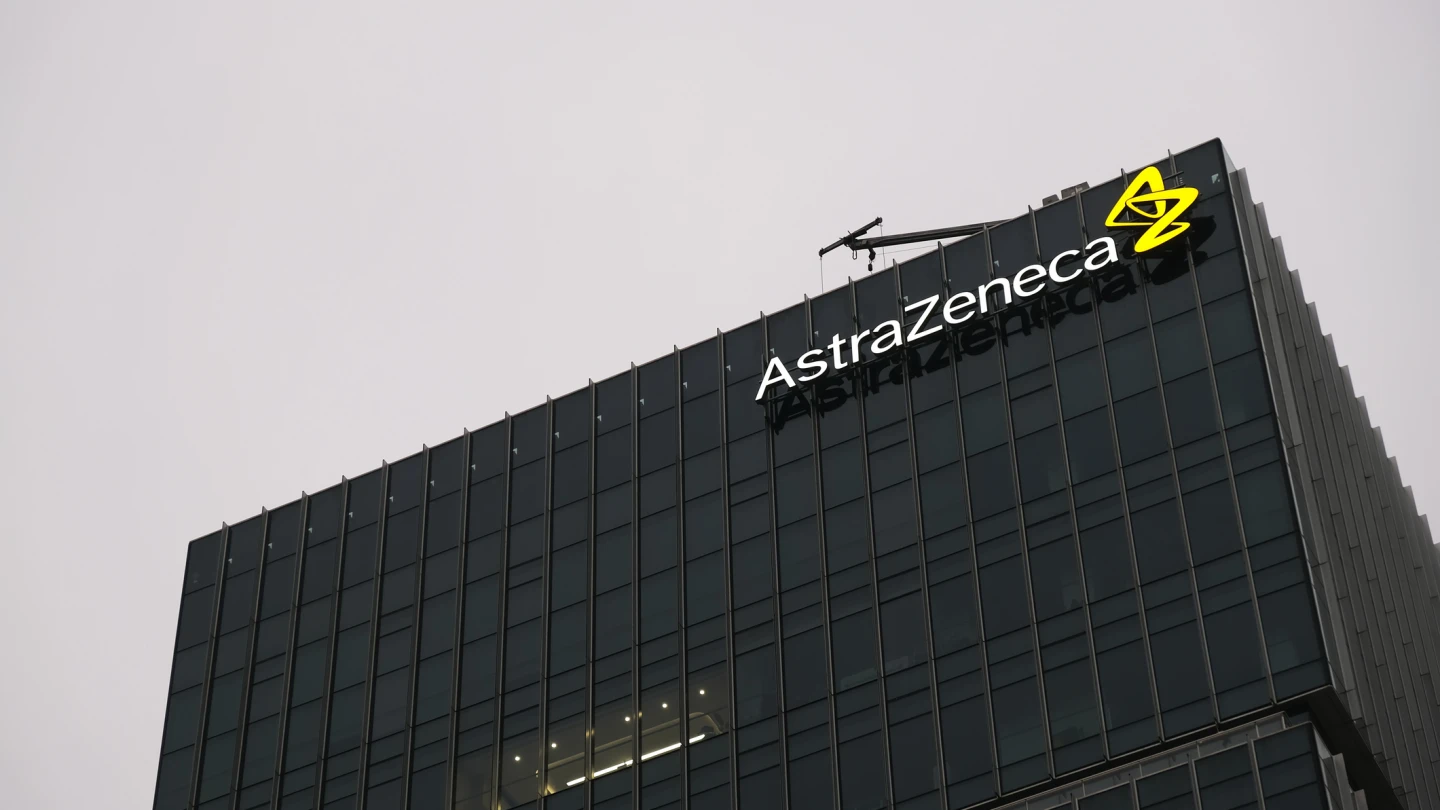
The U.K. drugmaker also announced plans to drop another $2 billion on expanding its R&D and manufacturing footprint in the “important” U.S. market.

Bayer reported a decline of 37% in earnings per share on Tuesday, which sent its stock down 12%. CEO Bill Anderson urged investors to be patient as the company executes on a performance-boosting strategy outlined in March.

BioSpace takes a look at the headlines across a heavy earnings week for biotechs, checking in on Allogene, Rapport and more.

With $70 million upfront and more than $1.8 billion on the line, Roche will gain access to Flare’s drug discovery engine to bolster its oncology pipeline.

In a small Phase IIa trial, Insilico’s generative AI-designed idiopathic pulmonary fibrosis drug improved lung function and was well-tolerated across all dosing groups.

In line with the restructuring initiative, 23andMe is looking for strategic opportunities for its pipeline assets, including licensing deals or outright sales.

Analysts did not seem very concerned by the treatment-related serious adverse event, noting that NGN-401 was well-tolerated at a lower dose and showed promising efficacy outcomes.