
News

The limited supply of this common reagent is set to drive drug prices higher, but there are ways for companies to lessen the impact.


FEATURED STORIES

The current state of political affairs in the U.S. does not bode well for the direction of that turn. The country is at real risk of losing its long-held lead in biotech innovation.

The FDA’s refusal to review Moderna’s mRNA-based flu vaccine is part of a larger communications crisis unfolding at the agency over the past nine months that has also ensnarled Sarepta, Capricor, uniQure and many more.

The rare disease drugmaker is facing potential competitors for achondroplasia drug Voxzogo. Is a big M&A deal with two approved assets enough to maintain investor interest?



FROM OUR EDITORS
Read our takes on the biggest stories happening in the industry.

The FDA issued a rare Refusal-to-File letter to Moderna over its mRNA-based influenza vaccine application, in an unusual move that sent the biotech’s shares tumbling.
THE LATEST

At the GenScript Biotech Global Forum 2025, industry leaders celebrated CAR T cell therapy achievements while discussing ongoing challenges in manufacturing, distribution, treatment center capacity, and global payment structures for cell and gene therapies.

AI is enabling the development of a next generation of drugs that can more precisely target cancer cells while sparing healthy tissues.

After the gutting of the Department of Health and Human Services, fears mount about the future direction of the FDA—with regulatory experts predicting delays in drug approvals and greater influence of political appointees.

Lined up for the FDA in the coming weeks are a cell-based gene therapy for a rare skin disease and two product expansions for Regeneron, one with partner Sanofi.

Health and Human Services employees aren’t the only ones out of work. Thousands of private-sector biopharma professionals lost their jobs in the first quarter.

As the biopharma industry grapples with the uncertain macro environment brought on by the new administration, CEOs, regulators and many others speak out.

According to analysts at Jefferies, legislation such as the newly proposed bills that aim to streamline regulatory processes would be a positive for the biotech industry.
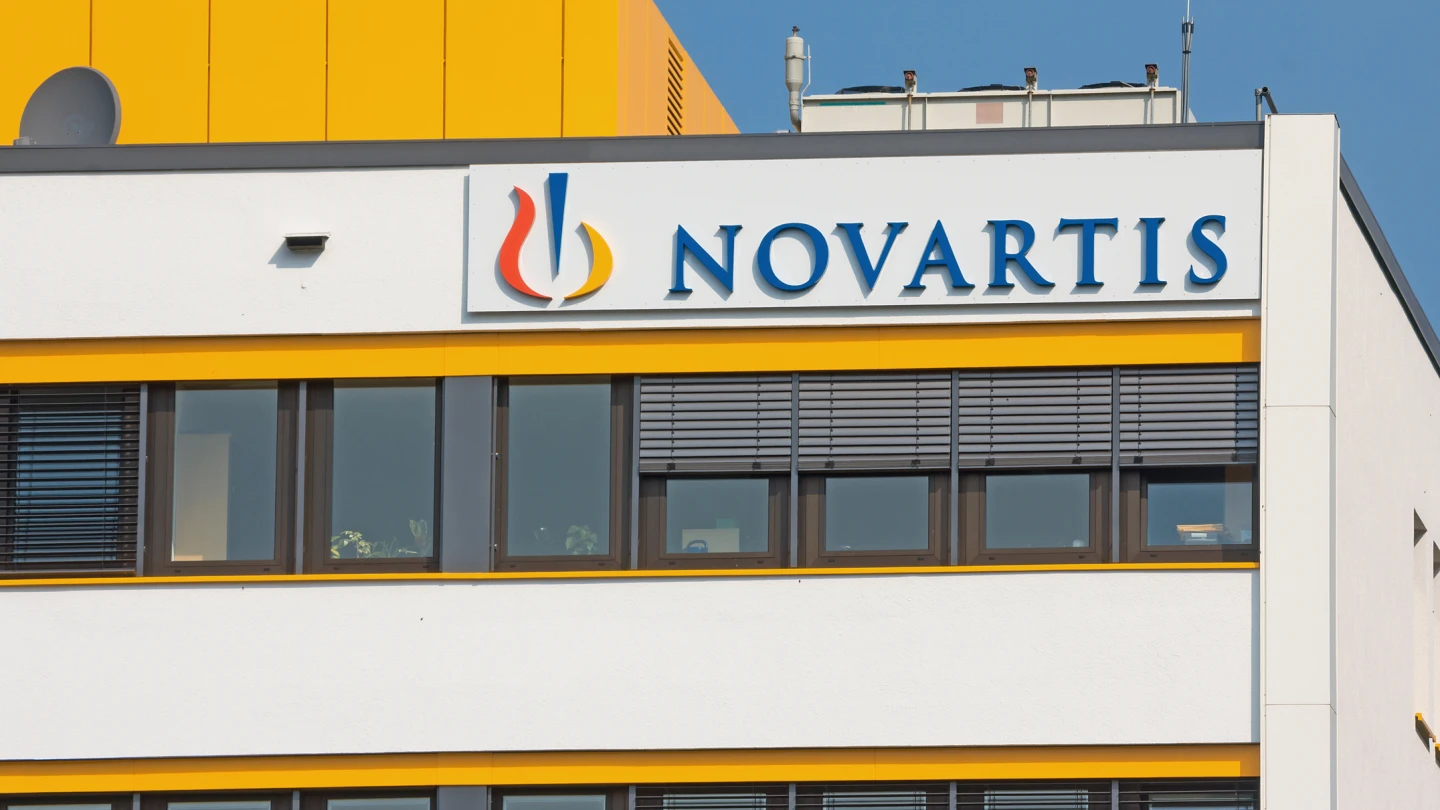
Novartis plans to build seven new facilities in the U.S., touting the creation of up to 1,000 new jobs at the company. The new facilities will include a biomedical research hub in California, two radioligand plants, and four manufacturing sites.

Analysts at William Blair expect drug developers will continue to perform “at least some animal testing” on their investigational products. Though the process to phase out animal testing will begin “immediately,” no specific timetable was given.

Biotech companies are already seeing regulatory delays and plenty of uncertainty after around 3,500 FDA employees were cut by the Trump administration.