
News

Following the FDA’s refusal to review Moderna’s investigational mRNA flu vaccine last week, Commissioner Marty Makary faced questions from the U.S. president about the agency’s handling of vaccines. It’s a clear signal that the tension long brewing at the drug regulator has now gone all the way to the top.


FEATURED STORIES

Many scientists-turned-CEOs paradoxically abandon scientific principles when it comes to commercializing their innovations. But applying the scientific method to business decisions can help life science entrepreneurs avoid common pitfalls, attract investment and ultimately bring transformative technologies to market.

FDA vouchers are normally a coveted prize for biopharma companies, but a surprise rejection for Disc Medicine’s rare disease drug has biopharma reconsidering.

PitchBook’s 2025 biopharma VC analysis clocked $33.8 billion in capital dispatched in 2025, mainly to companies with later-stage programs ready to roll into the clinic.





FROM OUR EDITORS
Read our takes on the biggest stories happening in the industry.

The FDA’s refusal to review Moderna’s mRNA-based flu vaccine is part of a larger communications crisis unfolding at the agency over the past nine months that has also ensnarled Sarepta, Capricor, uniQure and many more.
THE LATEST

Year-over-year BioSpace data shows there are fewer job postings live on the website and far more competition for them.

Novo Nordisk’s total revenue in the third quarter missed analysts’ expectations but sales of weight loss drug Wegovy exceeded the consensus forecast. Still, the Danish drugmaker narrowed its full-year guidance for revenue and operating profit.

Analyst reactions to Donald Trump’s election victory were mixed Wednesday, with potential positives including an FTC that is likely to be more friendly to M&A, and negatives including concerns about what role Robert F. Kennedy, Jr. might play in healthcare.

With climbing biotech M&A and IPO activity following the post-pandemic slump, experts offer insights on maximizing value and otherwise capitalizing on exit opportunities.

The contract manufacturer fell short of Wall Street’s projections for its first quarter of fiscal 2025, which ended Sept. 30, 2024. The miss comes amid growing opposition to Novo Holdings’ proposed $16.5 billion acquisition of Catalent.

Truist Securities analyst Asthika Goonewardene in an investor note said data for anito-cel—particularly its safety profile—will help differentiate the CAR T therapy from Legend Biotech and J&J’s entrenched Carvykti in relapsed and refractory multiple myeloma.
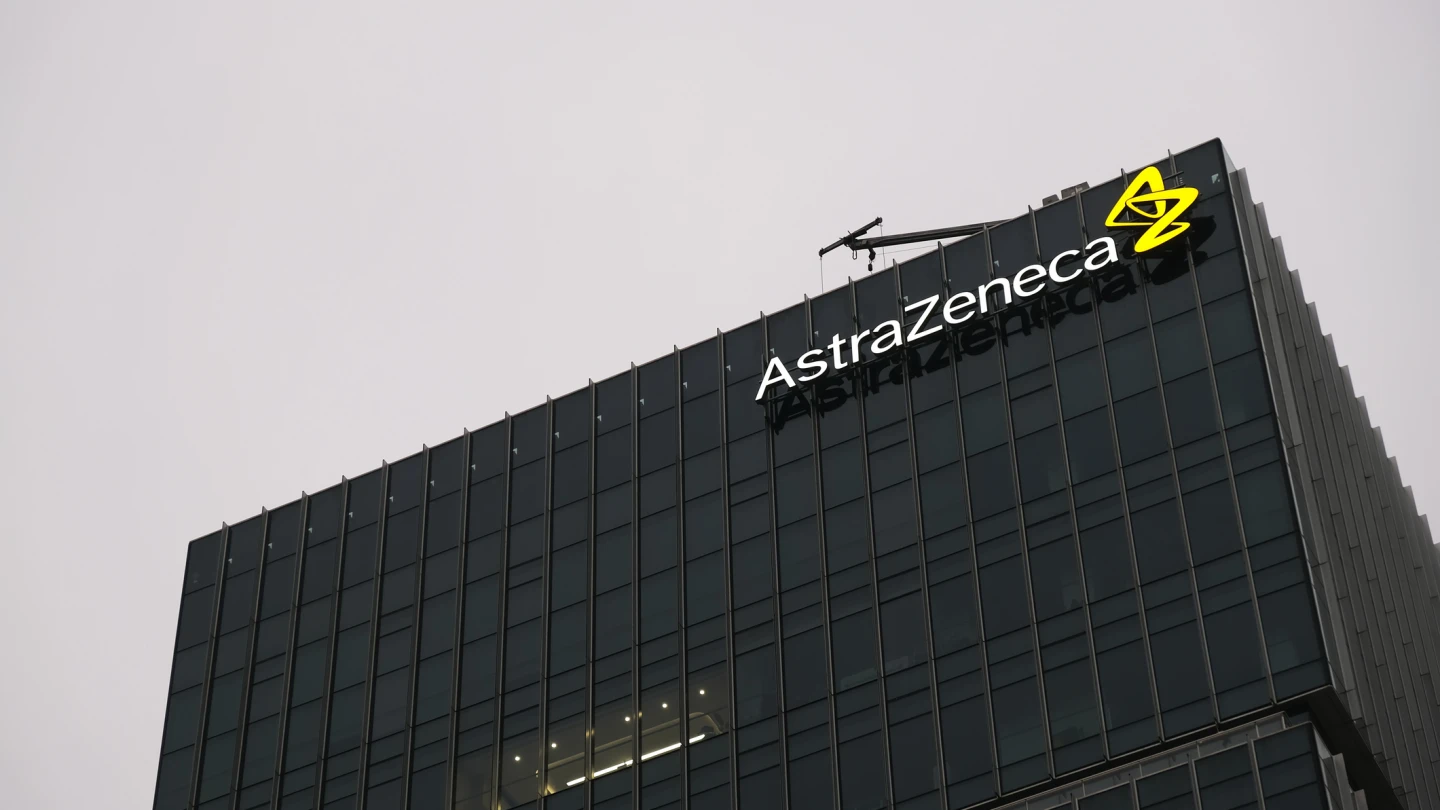
BMO Capital Markets analyst Etzer Darout in a note to investors said the insurance fraud probe represents a “headline risk” to AstraZeneca, but contends that the share selloff is “overdone” and likely a knee-jerk reaction by investors.

In our anniversary episode, we discuss a rare earnings miss for Eli Lilly, a pivotal metabolic dysfunction–associated steatohepatitis victory for Novo Nordisk’s Wegovy, growing excitement about CAR Ts for autoimmune disease and the ongoing controversy over HeLa cells.

At Johns Hopkins University, the biomedical engineering program’s Design Team offering lets undergraduates dive deep into clinical projects that can help them land industry jobs, get provisional patents or even start companies.

In a tough fundraising space, cell therapy biotechs pursuing autoimmune indications review staffing to ensure the right expertise is in place to tackle the new disease area.