
News

Congressional letters sent to the CEOs of Eli Lilly, Pfizer, Merck, BMS and AbbVie this week voicing concerns about the pharmas’ clinical trials in China highlight an ongoing discrepancy in how government and industry think about the rise of the Asian country’s biotech industry.


FEATURED STORIES

The total of 52 mergers and acquisitions for the first half of 2026 reflects what analysts, industry watchers and executives are saying over and over: M&A is back.

At the BIO International Convention in San Diego, attendees marked the 50th anniversary of original biotech Genentech, reflecting on the immense challenges facing companies as China becomes a powerhouse innovator.

A recent FDA reversal sparked new hope for patients with Huntington’s disease. Flying under the radar, Skyhawk Therapeutics revealed 12-month functional data from a midstage trial of its own candidate showing improvements on a key disease measurement scale.



FROM OUR EDITORS
Read our takes on the biggest stories happening in the industry.

If cell and gene therapy makers are going to achieve their mission to improve patients’ lives, the industry must come together to share information across stakeholders, from regulators to manufacturers to payers.
THE LATEST

The takeover of its competitor, announced Sunday, could also bring some attention to Dyne Therapeutics, which has a similar RNA-based pipeline in rare muscle diseases.
Lynkuet is the first FDA-approved therapy that blocks both the neurokinin 1 and neurokinin 3 receptors to treat hot flashes.
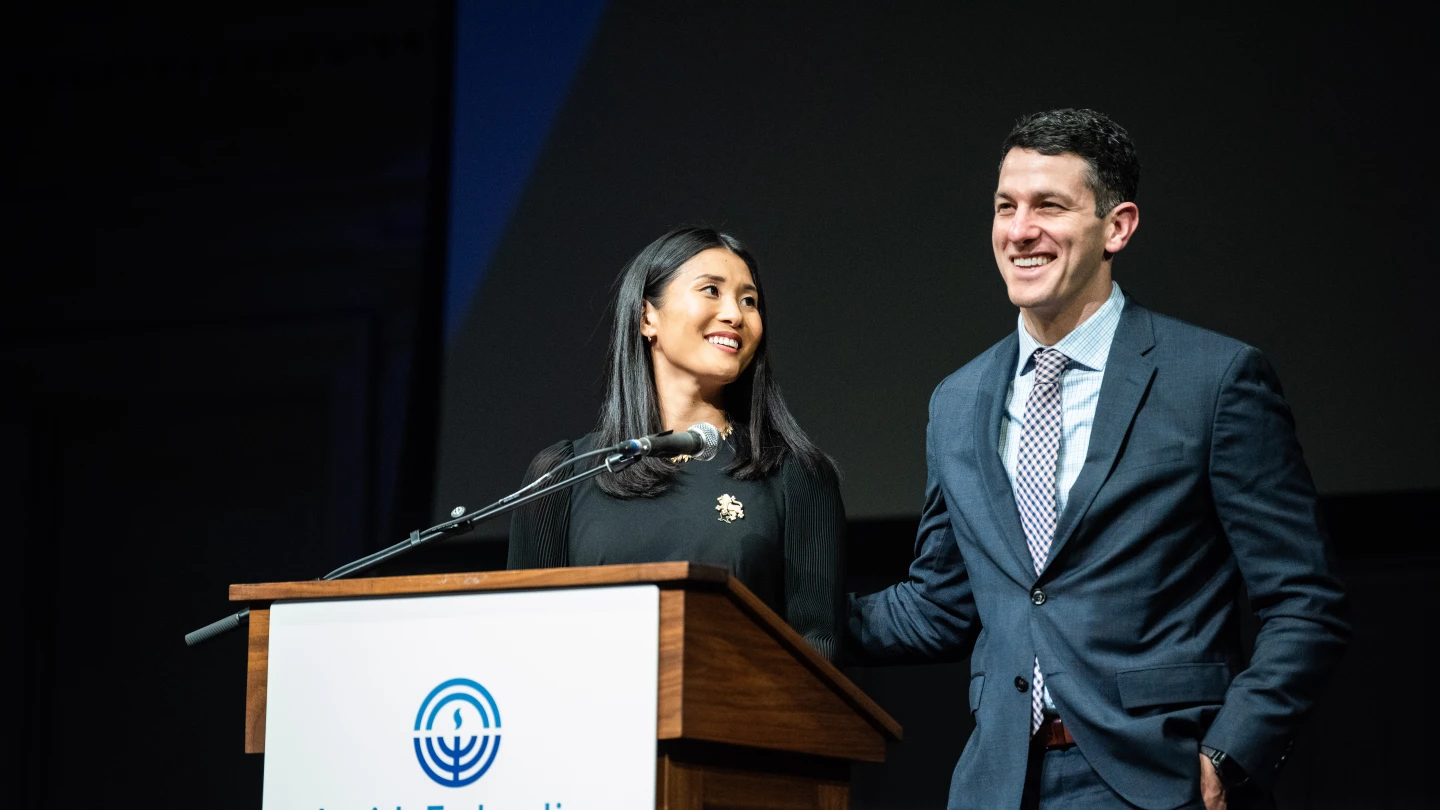
The BioSpace 40 Under 40 winner opens up about his very personal career transformation from wealth management to biotech—and what it’s like to develop a drug for amyotrophic lateral sclerosis and frontotemporal dementia as a potential patient himself.

Last month, “historic positive results” from uniQure’s gene therapy snapped the Huntington’s community out of years of failure. As the biotech prepares to submit for FDA approval, BioSpace looks at four more candidates on the near horizon.

Pivotal results from uniQure’s gene therapy for Huntington’s disease have brought new light to patients who have known only disappointment in recent years—but one expert worries that communication of the results is creating “false expectations.”
The deal, announced early Sunday afternoon, will see Novartis gain access to Avidity’s neuroscience assets, while the San Diego biotech spins out a new company to shepherd its early-stage precision cardiology programs.
The $70 million upfront deal adds to a portfolio of drugs Biogen has been growing in various immunological conditions since 2024.

The cornerstone of the deal is Ixo-vec, an intravitreal gene therapy currently in Phase III development for wet age-related macular degeneration. Eli Lilly made another foray into genetic medicine in June, picking up Verve Therapeutics for up to $1.3 billion.

Of the 25 companies receiving tax incentives in Massachusetts, 23 will add jobs outside of Boston and Cambridge. Medtronic, which is receiving the largest award, will create 220 roles in Billerica. Other recipients include AbbVie, Dyne Therapeutics and Viridian Therapeutics.

In three draft guidance documents, the FDA has laid out pointers to help companies craft better drug development programs and drug applications.