
News

New data on Hengrui Pharma and Kailera Therapeutics’ investigational oral GLP-1 have validated the late-stage weight loss asset and paved the road for a regulatory submission in China, but analysts pointed to high rates of nausea and vomiting that could challenge the ongoing U.S. study.


FEATURED STORIES

Molecular glue degraders are gaining traction in the clinic as well as funding from Big Pharma, with their potential to treat previously “undruggable” cancers and immunological diseases. Here are five clinical programs worth keeping an eye on.

Last month, the FDA launched TrialBlazer, intended to streamline the IND path and bring early clinical trials and medical innovation home to the U.S. It’s a start, but new agency leadership must see it through.

Significant leadership instability at the FDA—compounded by continued workforce attrition—led to a slight slowdown in overall regulatory productivity in the first half of this year, but the agency has been catching up of late.





FROM OUR EDITORS
Read our takes on the biggest stories happening in the industry.

Congressional letters sent to the CEOs of Eli Lilly, Pfizer, Merck, BMS and AbbVie this week voicing concerns about the pharmas’ clinical trials in China highlight an ongoing discrepancy in how government and industry think about the rise of the Asian country’s biotech industry.
THE LATEST

According to an internal email, the agency may be in for more consolidation in areas including human resources, communications, travel and acquisitions.

Sarepta’s shares crashed 41% in premarket trading Monday morning to $21.01 after the biotech reported a second death from acute liver failure, a known side effect of adeno-associated virus-based gene therapies.

AstraZeneca, Pfizer and more are leveraging the computational power of AI to better design trials, predict the potential efficacy and safety profiles of their molecules and synthesize massive multi-omic information to gain a more complete understanding of challenging cancers.

While cancelled NIH grants and regulatory uncertainty are less hospitable to clinical research in the U.S., Europe must play its cards right to attract more studies.

Later this month, HHS Secretary Robert F. Kennedy Jr.'s revamped CDC vaccine advisory committee will discuss RSV vaccination guidelines for the newly approved patient group, high-risk adults 18 through 49. Analysts and other experts have warned that the new panel includes some who have documented anti-vaccine sentiments as well as those who have spoken out against mRNA technology specifically.
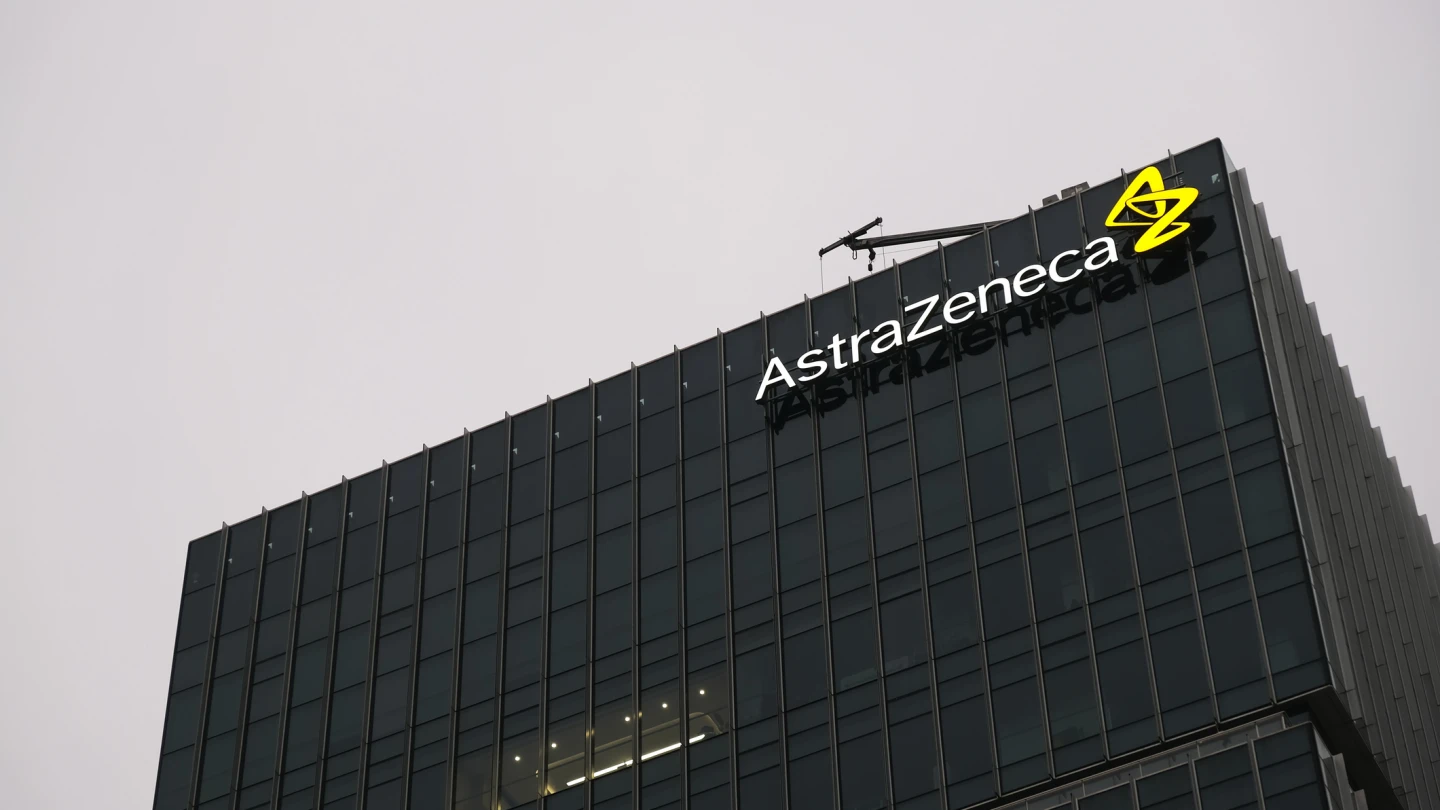
Friday’s deal with CSPC fits neatly within AstraZeneca’s business development strategy of upping investments in AI and in China.

Martin Kulldorff and Robert Malone, both outspoken vaccine skeptics, have received compensation for their expert participation in various vaccine-related cases against Merck.

The FDA’s Oncologic Drugs Advisory Committee narrowly voted against the approval of Zusduri, citing the lack of a completely randomized study to back up the application.

Scientists and analysts express concern that the newly appointed ACIP members—which include known anti-vaxxers—could relitigate recommendations that have already been made. Many are imploring Sen. Bill Cassidy to step up.

The biopharma job market failed to turn around in May, but employers were still hiring, especially in Indiana and California, based on BioSpace data. The two states had the most job postings live on BioSpace last month, with Indiana showing a 108% year-over-year increase.