
News

Congressional letters sent to the CEOs of Eli Lilly, Pfizer, Merck, BMS and AbbVie this week voicing concerns about the pharmas’ clinical trials in China highlight an ongoing discrepancy in how government and industry think about the rise of the Asian country’s biotech industry.


FEATURED STORIES

The total of 52 mergers and acquisitions for the first half of 2026 reflects what analysts, industry watchers and executives are saying over and over: M&A is back.

At the BIO International Convention in San Diego, attendees marked the 50th anniversary of original biotech Genentech, reflecting on the immense challenges facing companies as China becomes a powerhouse innovator.

A recent FDA reversal sparked new hope for patients with Huntington’s disease. Flying under the radar, Skyhawk Therapeutics revealed 12-month functional data from a midstage trial of its own candidate showing improvements on a key disease measurement scale.



FROM OUR EDITORS
Read our takes on the biggest stories happening in the industry.

If cell and gene therapy makers are going to achieve their mission to improve patients’ lives, the industry must come together to share information across stakeholders, from regulators to manufacturers to payers.
THE LATEST

While cancelled NIH grants and regulatory uncertainty are less hospitable to clinical research in the U.S., Europe must play its cards right to attract more studies.

Later this month, HHS Secretary Robert F. Kennedy Jr.'s revamped CDC vaccine advisory committee will discuss RSV vaccination guidelines for the newly approved patient group, high-risk adults 18 through 49. Analysts and other experts have warned that the new panel includes some who have documented anti-vaccine sentiments as well as those who have spoken out against mRNA technology specifically.
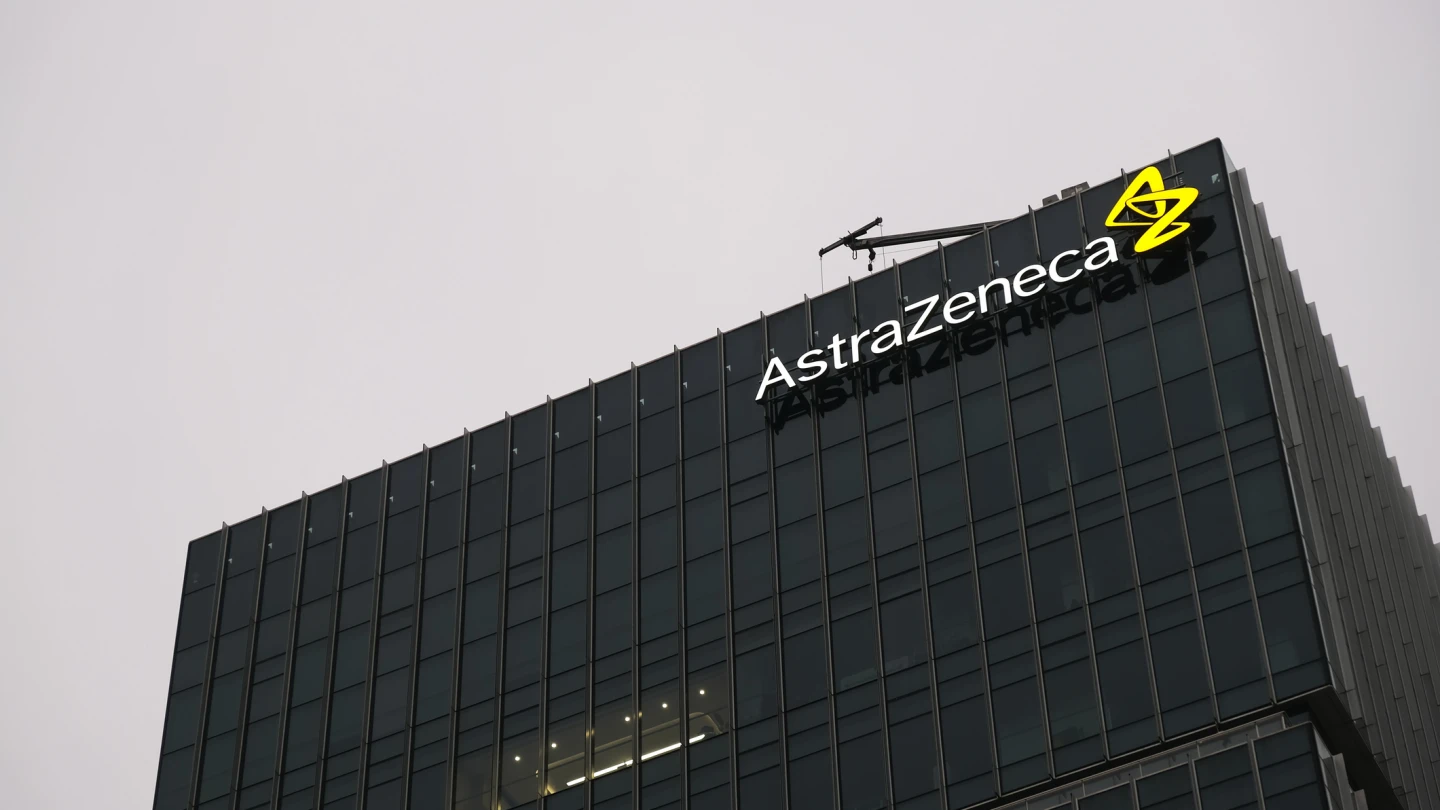
Friday’s deal with CSPC fits neatly within AstraZeneca’s business development strategy of upping investments in AI and in China.

Martin Kulldorff and Robert Malone, both outspoken vaccine skeptics, have received compensation for their expert participation in various vaccine-related cases against Merck.

The FDA’s Oncologic Drugs Advisory Committee narrowly voted against the approval of Zusduri, citing the lack of a completely randomized study to back up the application.

Scientists and analysts express concern that the newly appointed ACIP members—which include known anti-vaxxers—could relitigate recommendations that have already been made. Many are imploring Sen. Bill Cassidy to step up.

The biopharma job market failed to turn around in May, but employers were still hiring, especially in Indiana and California, based on BioSpace data. The two states had the most job postings live on BioSpace last month, with Indiana showing a 108% year-over-year increase.

BioNTech will get CureVac’s early-stage cancer assets, including its mRNA-based glioblastoma therapy currently in Phase I development. CureVac had previously sued BioNTech for copyright infringement related to mRNA vaccine technology.

Nuvation Bio’s first approved product is Ibtrozi, a CNS-active ROS1 inhibitor that in pivotal studies showed high rates of treatment response in patients with non-small cell lung cancer.

The rehired staff, who number around 460, work with the CDC’s viral disease prevention efforts and sexual health testing labs, among others. The reinstatements are a ray of light in an acrimonious week that also saw protests and the complete overhaul of the agency’s vaccine advisory committee.