
Drug Delivery

The FDA cited issues with a manufacturing facility as the reason for the rejection. J&J is currently “working closely” with the regulator to resolve these problems.


FEATURED STORIES

Representatives of companies including AbbVie, Eli Lilly, Johnson & Johnson and Merck have voiced concerns about the FDA’s approach to pre-approval inspections.

After a series of unfortunate regulatory rejections and manufacturing issues surfaced, Regeneron’s shares dipped to $483 this summer—the lowest they’d been since early 2021. But they now sit higher than they did at the start of the year.

The status could support staged transitions to new manufacturing processes, potentially mitigating some risks of high-stakes switches.
Subscribe to Manufacturing Brief!
Weekly insight into the biggest trends in biopharma manufacturing
THE LATEST

After more than a decade devoid of therapeutic advancements, a first-in-class T cell receptor therapy could be on the immediate horizon for synovial sarcoma patients.

Despite their initial kicking and screaming, drugmakers seem confident the Inflation Reduction Act’s Medicare Drug Price Negotiation Program will not greatly impact their bottom lines.

Executives from the three largest pharmacy benefit manager companies testified Tuesday before Congress that rising drug prices in the U.S. are due to pharma companies taking advantage of market exclusivities and excessive charges.

The acquisition of the contract development and manufacturing organization will allow Agilent Technologies to provide a one-stop source for gene-editing services for its customers.

In a bid to take advantage of Humira’s slow loss of market share, Boehringer Ingelheim is offering its biosimilar at a 92% discount exclusively to patients who buy the product on GoodRx.

As scrutiny of pharmacy benefit managers mounts, a House committee will hold a hearing on the alleged anticompetitive business practices of these middlemen.
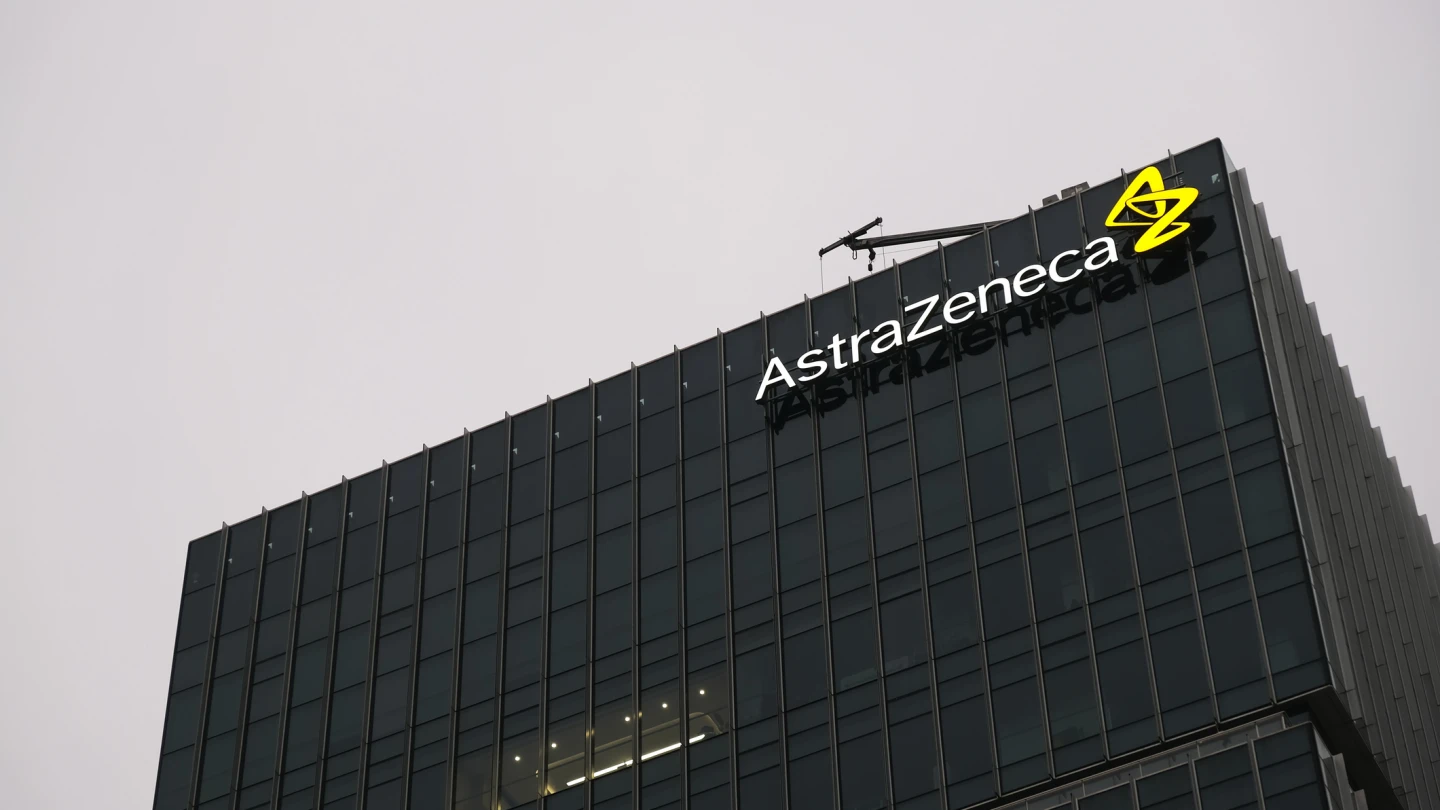
AstraZeneca joins Johnson & Johnson and Bristol Myers Squibb in appealing a previous legal loss for its challenge to the government’s drug price-setting program.

Pfizer selects its candidate for the oral GLP-1 race as Eli Lilly strives to overtake Novo Nordisk in the injectable weight-loss drug space. Meanwhile, pressure builds to reduce drug prices in the U.S.

To help keep pace with the demand for GLP-1 therapies, CordenPharma has announced a sizeable $980 million investment in its U.S. and European sites.

To improve its reviewers’ understanding of cell and gene therapy manufacturing, the agency has launched a program that will involve a tour of manufacturing facilities and daily workshops for its staffers.