
Business

GSK and Hansoh Pharmaceutical’s antibody-drug conjugate success validates their partnership, one of the many deals in which Big Pharma has tapped a China company for promising cancer candidates.


FEATURED STORIES

Early-stage financing rounds are on track to hit their lowest dollar value in years as funders continue to eschew risky investments, experts told BioSpace.

A mostly black box since emerging with more than a billion dollars in hand, Xaira Therapeutics is slowly pulling back the curtain, revealing plans to find partners and validate its pipeline.

After debuting on the public markets with $256.3 million and raking in an additional $472 million, Veradermics has emerged as one of biotech’s biggest post-IPO standouts. CEO Reid Waldman credits the weight loss craze for establishing consumer-driven channels.
Subscribe to BioPharm Executive
Market insights and trending stories for biopharma leaders, in your inbox every Wednesday
THE LATEST

Cell and gene therapy investment rebounds; WuXi Biologics and other companies named in BIOSECURE Act mull options; Bayer, J&J and Pfizer’s recent layoffs; updates from the weight loss space.

Eli Lilly CEO David Ricks is confident his company and peer Novo Nordisk are years ahead in the weight loss space, as biotechs press on with compelling data.

Big Pharma can’t seem to get enough radiopharmaceutical biotechs. With Lilly, Sanofi and BMS chasing Novartis into the complex space, all eyes are on these specialty biotechs.

WuXi AppTec looks to unload its Philadelphia manufacturing sites and WuXi Biologics slows its rapid expansion in the U.S. as the companies await the Senate’s review of the BIOSECURE Act that threatens to cut them off from U.S. biopharma.

Tim Hunt, CEO of the Alliance for Regenerative Medicine, said Monday at the 2024 Cell & Gene Meeting on the Mesa that investments reached $10.9 billion in the first half of this year—outpacing 2019’s $9.8 billion total—but far below the pandemic peak.

Pfizer in recent months has implemented aggressive cost-cutting measures to help it weather the steep decline in sales of its COVID-19 products.
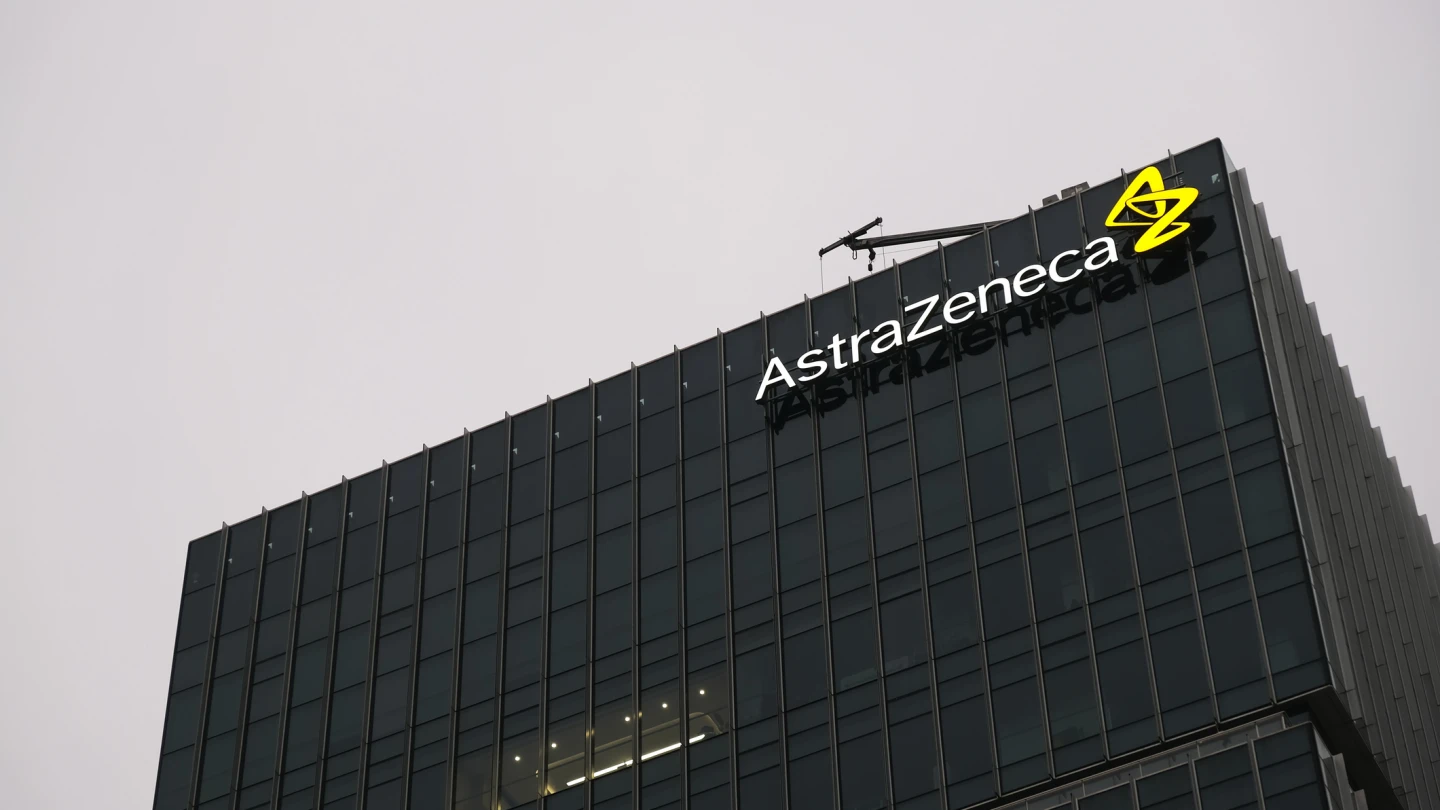
For an exclusive license to the preclinical Lp(a) disruptor, AstraZeneca is paying CSPC Pharmaceutical Group $100 million upfront and offering up to $1.92 billion in regulatory and commercial milestones.

Relay Therapeutics is cutting its workforce to help streamline its research organization as it looks to complete its first large-scale, pivotal clinical trial.

Scaling GLP-1 manufacturing capacity remains a key priority for the pharma industry, to help supply catch up with the insatiable demand for weight loss drugs.

Under the deal announced Friday, the Italian pharma will make an upfront payment of $825 million to Sanofi for global rights to a biologic for the treatment of cold agglutinin disease, with milestone payments of up to $250 million.