
News
A surprising deal from Vertex Pharmaceuticals adds to Big Pharma’s acquisitive streak as Crinetics folds into the cystic fibrosis drugmaker. Meanwhile, IPOs and venture capital raises trend upward, but mostly for derisked companies. Plus, FDA decisions slow only slightly as the hunt for a permanent leader drags on.


FEATURED STORIES

After debuting on the public markets with $256.3 million and raking in an additional $472 million, Veradermics has emerged as one of biotech’s biggest post-IPO standouts. CEO Reid Waldman credits the weight loss craze for establishing consumer-driven channels.

Molecular glue degraders are gaining traction in the clinic as well as funding from Big Pharma, with their potential to treat previously “undruggable” cancers and immunological diseases. Here are five clinical programs worth keeping an eye on.

Last month, the FDA launched TrialBlazer, intended to streamline the IND path and bring early clinical trials and medical innovation home to the U.S. It’s a start, but new agency leadership must see it through.





FROM OUR EDITORS
Read our takes on the biggest stories happening in the industry.

Congressional letters sent to the CEOs of Eli Lilly, Pfizer, Merck, BMS and AbbVie this week voicing concerns about the pharmas’ clinical trials in China highlight an ongoing discrepancy in how government and industry think about the rise of the Asian country’s biotech industry.
THE LATEST

Health and Human Services employees aren’t the only ones out of work. Thousands of private-sector biopharma professionals lost their jobs in the first quarter.

As the biopharma industry grapples with the uncertain macro environment brought on by the new administration, CEOs, regulators and many others speak out.

According to analysts at Jefferies, legislation such as the newly proposed bills that aim to streamline regulatory processes would be a positive for the biotech industry.
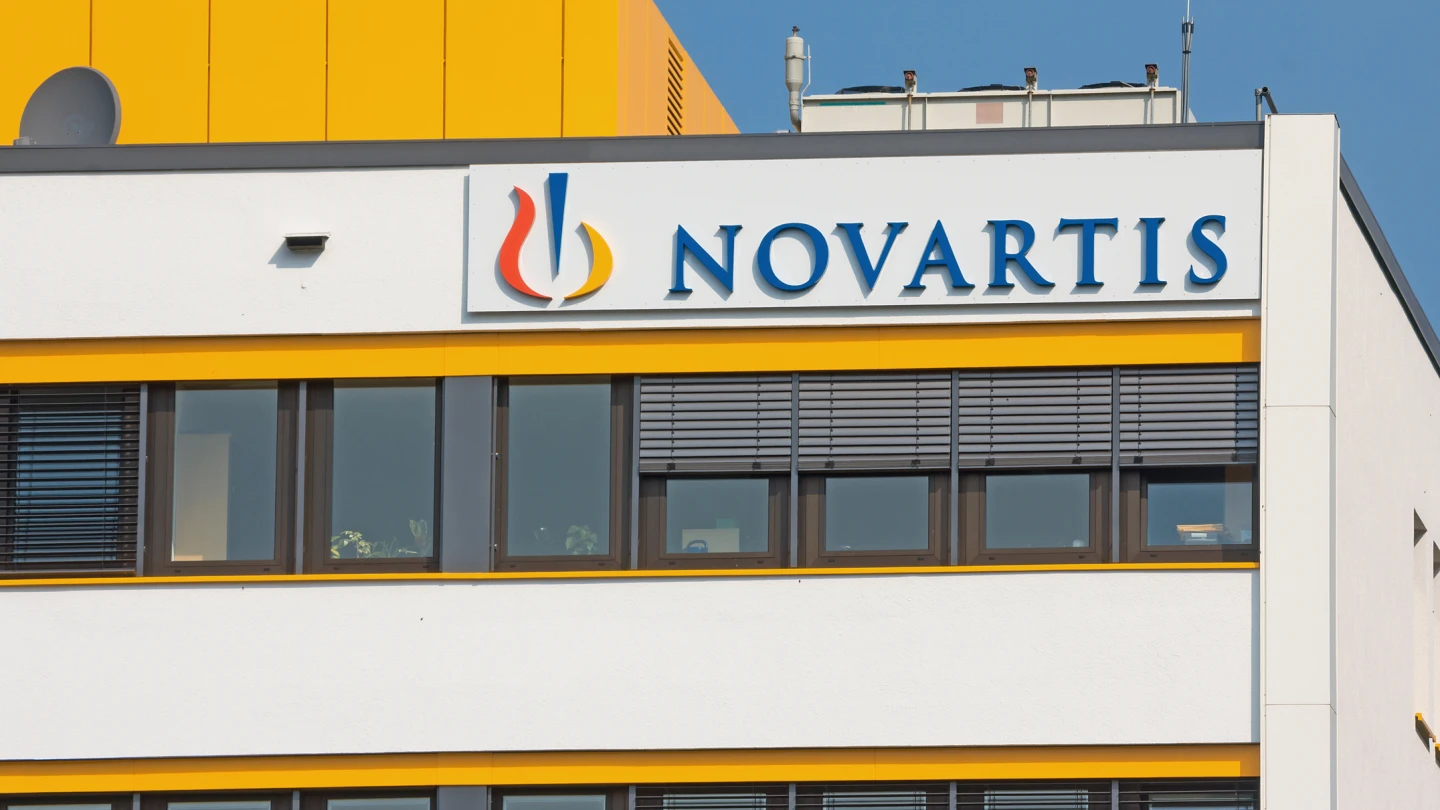
Novartis plans to build seven new facilities in the U.S., touting the creation of up to 1,000 new jobs at the company. The new facilities will include a biomedical research hub in California, two radioligand plants, and four manufacturing sites.

Analysts at William Blair expect drug developers will continue to perform “at least some animal testing” on their investigational products. Though the process to phase out animal testing will begin “immediately,” no specific timetable was given.

Biotech companies are already seeing regulatory delays and plenty of uncertainty after around 3,500 FDA employees were cut by the Trump administration.

Pharma stocks went on a wild ride Wednesday amid whiplashing tariff threats from the U.S. president.

According to Tempest, its options include a partnership or licensing deal, as well as a merger or an acquisition.

In this episode presented by DIA, BioSpace’s head of insights Lori Ellis discusses the underrepresentation of women in clinical trials with Martin Hodosi, partner at Kearney and Melissa Laitner, director of strategic initiatives at the National Academy of Medicine.

Experts express concern that last week’s unprecedented FDA layoffs will trigger a little-known mechanism that could result in a “disaster” the Trump administration doesn’t see coming.