
News

Ralph Abraham, a vocal vaccine skeptic who served at the agency for just three months, has stepped down due to “unforeseen family obligations,” according to the CDC.


FEATURED STORIES

The first gene therapies approved to treat sickle cell disease in December 2023 are struggling on the market. But there are glimpses of forward momentum as Vertex and Genetix Bio provide updates.

After last year’s ‘stampede’ for FGF21 assets, the focus for the metabolic dysfunction-associated steatohepatitis space has shifted toward differentiated approaches, such as THR-β agonists and combination treatments, that seek to mirror the commercial success of Madrigal’s Rezdiffra.

Maintaining America’s momentum demands that policymakers resist policies that undermine research and development incentives.





FROM OUR EDITORS
Read our takes on the biggest stories happening in the industry.

Following the FDA’s refusal to review Moderna’s investigational mRNA flu vaccine last week, Commissioner Marty Makary faced questions from the U.S. president about the agency’s handling of vaccines. It’s a clear signal that the tension long brewing at the drug regulator has now gone all the way to the top.
THE LATEST
Lynkuet is the first FDA-approved therapy that blocks both the neurokinin 1 and neurokinin 3 receptors to treat hot flashes.
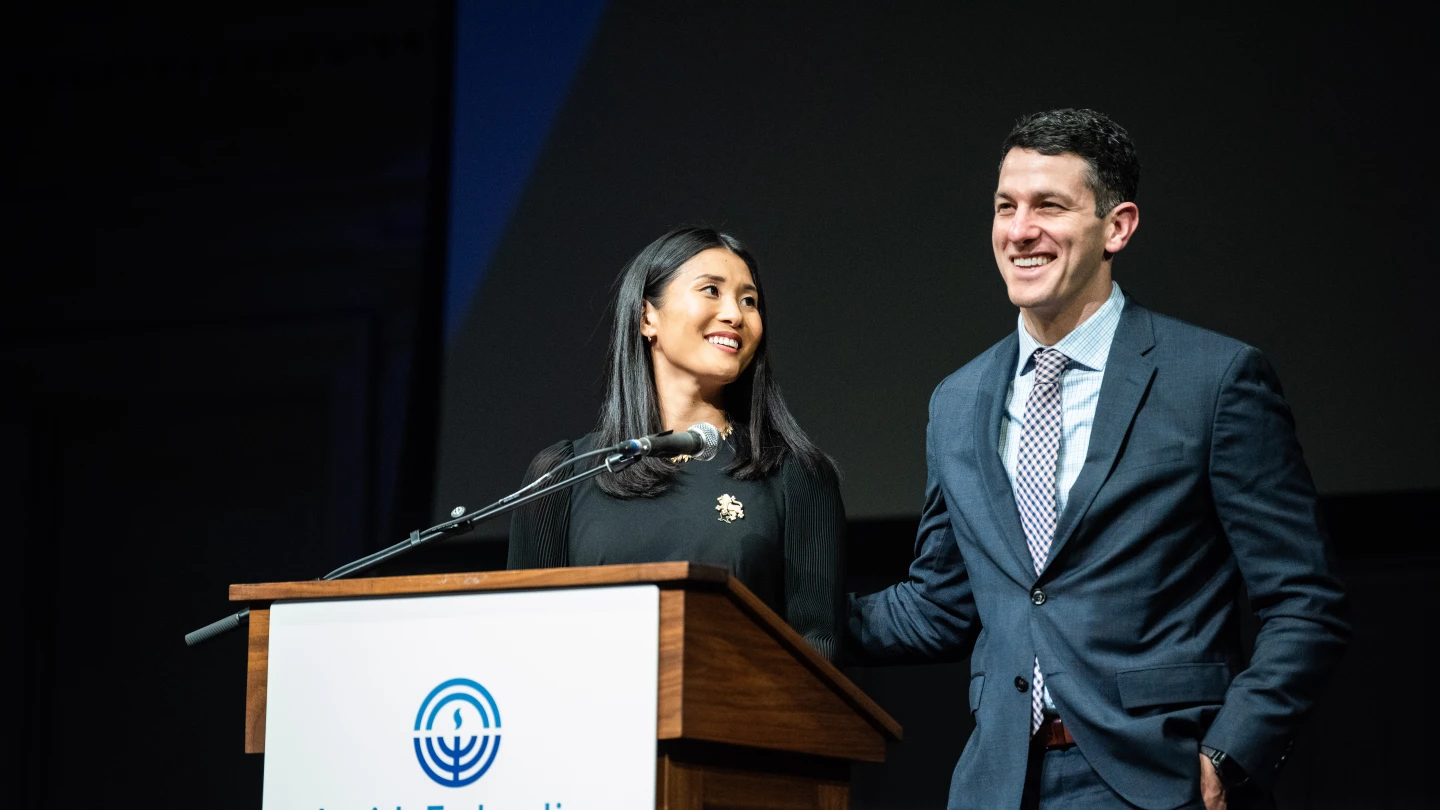
The BioSpace 40 Under 40 winner opens up about his very personal career transformation from wealth management to biotech—and what it’s like to develop a drug for amyotrophic lateral sclerosis and frontotemporal dementia as a potential patient himself.

Last month, “historic positive results” from uniQure’s gene therapy snapped the Huntington’s community out of years of failure. As the biotech prepares to submit for FDA approval, BioSpace looks at four more candidates on the near horizon.

Pivotal results from uniQure’s gene therapy for Huntington’s disease have brought new light to patients who have known only disappointment in recent years—but one expert worries that communication of the results is creating “false expectations.”
The deal, announced early Sunday afternoon, will see Novartis gain access to Avidity’s neuroscience assets, while the San Diego biotech spins out a new company to shepherd its early-stage precision cardiology programs.
The $70 million upfront deal adds to a portfolio of drugs Biogen has been growing in various immunological conditions since 2024.

The cornerstone of the deal is Ixo-vec, an intravitreal gene therapy currently in Phase III development for wet age-related macular degeneration. Eli Lilly made another foray into genetic medicine in June, picking up Verve Therapeutics for up to $1.3 billion.

Of the 25 companies receiving tax incentives in Massachusetts, 23 will add jobs outside of Boston and Cambridge. Medtronic, which is receiving the largest award, will create 220 roles in Billerica. Other recipients include AbbVie, Dyne Therapeutics and Viridian Therapeutics.

In three draft guidance documents, the FDA has laid out pointers to help companies craft better drug development programs and drug applications.

The discontinued CAR T therapy bbT369 came to Regeneron when the pharma bought all of 2seventy bio’s pipeline assets for $5 million upfront in January 2024.