
News

LB Pharma needed $350 million to advance a promising schizophrenia candidate at a time when the biotech markets were locked up tight. Fortunately, it wasn’t CEO Heather Turner’s first rodeo.


FEATURED STORIES

Corsera Health’s Chief Operating Officer Rena Denoncourt and CFO Meredith Kaya speak with BioSpace about the biotech’s mission and vision for the next generation of cardiovascular care.

Billions of dollars’ worth of cancer drugs are discarded each year. Manufacturers must refund Medicare for some of this waste. A data-driven approach offers a practical path to greater efficiency.

Sales of Merck’s longtime oncology blockbuster Keytruda will erode more starkly in about 2033 rather than 2029, predicts Bloomberg Intelligence, translating to some $22 billion more in revenue.




FROM OUR EDITORS
Read our takes on the biggest stories happening in the industry.

Following the FDA’s refusal to review Moderna’s investigational mRNA flu vaccine last week, Commissioner Marty Makary faced questions from the U.S. president about the agency’s handling of vaccines. It’s a clear signal that the tension long brewing at the drug regulator has now gone all the way to the top.
THE LATEST

A slow launch for Alzheimer’s medicine Leqembi, a lackluster pipeline and a challenging drug launch environment are just a few of the factors that have sent Biogen’s shares down this year.

The acquisition will give BioNTech full ownership of an investigational bispecific antibody targeting the PD-L1/VEGF-A pathways, a hot area in oncology that could potentially replace standard checkpoint inhibitors for cancer treatment.

With the Phase III failure, Syros will discontinue the study of tamibarotene for myelodysplastic syndrome and will default on its loan from Oxford Finance LLC.

Cantor Fitzgerald analyst Olivia Brayer found supplementary bone mineral density data for Amgen’s obesity candidate MariTide that could point to a potentially greater fracture risk than previously revealed, but some other analysts view the findings as a nonissue.

A tale of two multi-billion schizophrenia deals, AstraZeneca touts strong sales while deflecting questions about an investigation into China exec, the Huntington’s pipeline builds momentum and layoffs continue with Sana Biotechnology and 23andMe.

Novo Holdings’ acquisition of Catalent has ignited concerns from industry stakeholders, who fear that the consolidation could limit competition, but there is also the possibility that the deal could represent an opportunity for smaller-scale CDMOs to find new partners.

Suggestions that the U.S. should emulate other countries on drug price controls or patents obscure how our present policies have allowed drug development to flourish.
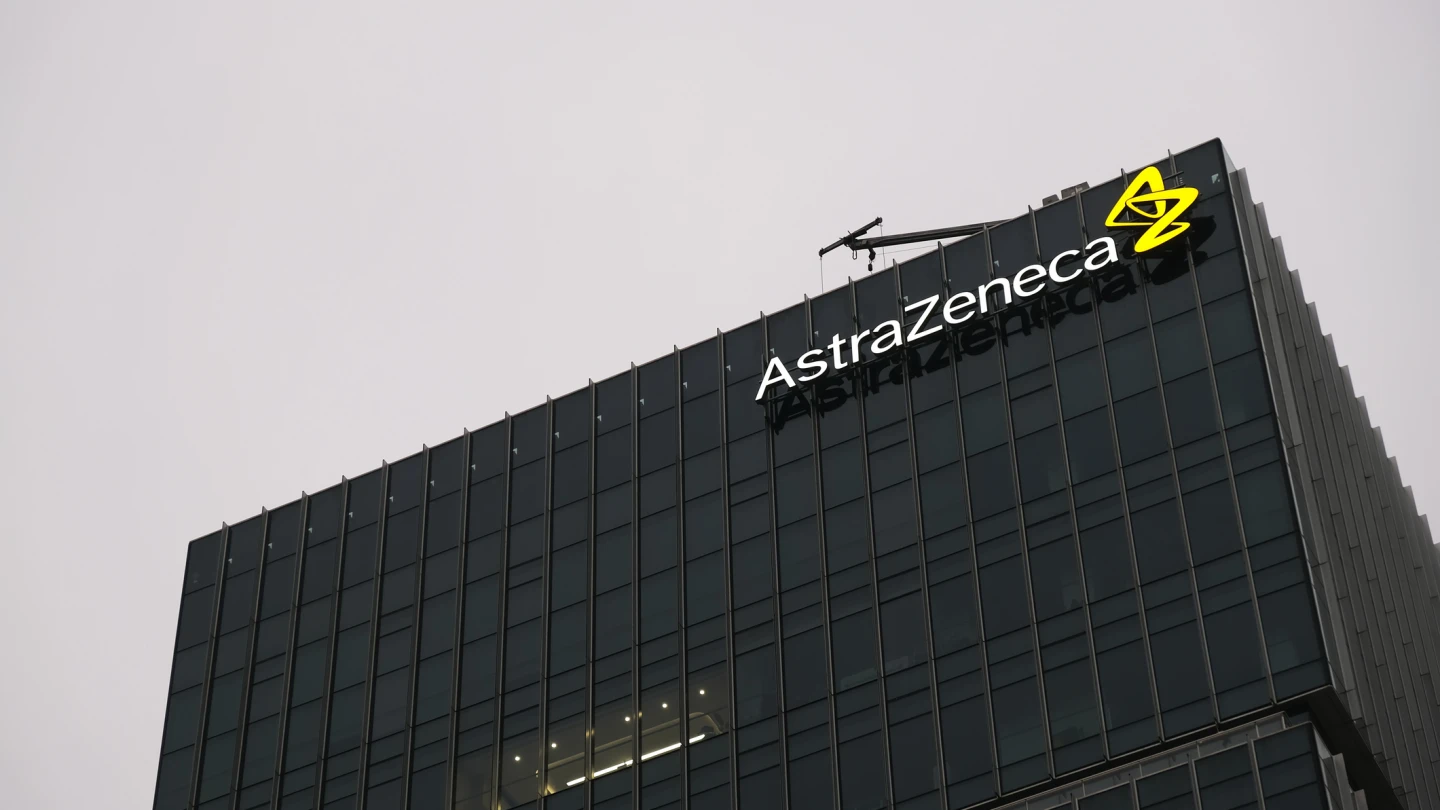
The U.K. drugmaker also announced plans to drop another $2 billion on expanding its R&D and manufacturing footprint in the “important” U.S. market.

Bayer reported a decline of 37% in earnings per share on Tuesday, which sent its stock down 12%. CEO Bill Anderson urged investors to be patient as the company executes on a performance-boosting strategy outlined in March.

BioSpace takes a look at the headlines across a heavy earnings week for biotechs, checking in on Allogene, Rapport and more.