
News

Controlling CEOs, manipulative middle managers and high-performing jerks can damage employees’ trust in employers and motivate them to hit the job market. Kaye/Bassman’s Michael Pietrack discusses the problematic behaviors executives must watch for in the workplace.


FEATURED STORIES

With drug pricing now embedded in U.S. policy, business development teams in biotech and pharma are changing the way they strike deals, including acknowledging policy uncertainties with renegotiation clauses.

Former FDA, CDC and NIH leaders convene at the BIO International Convention to discuss the dismantling of the Department of Health and Human Services under the Trump administration—and where we go from here.

If cell and gene therapy makers are going to achieve their mission to improve patients’ lives, the industry must come together to share information across stakeholders, from regulators to manufacturers to payers.



FROM OUR EDITORS
Read our takes on the biggest stories happening in the industry.

UniQure’s planned third-quarter submission for its Huntington’s disease gene therapy may be a harbinger of a more flexible FDA under acting commissioner Kyle Diamantas—but how long will it last? And how can companies be sure these positive decisions won’t just be reversed?
THE LATEST

With layoffs happening at biopharma companies of all sizes, some may wonder which jobs are safest. Talent acquisition experts spoke to BioSpace about the areas and roles they recommend to biotech and pharma professionals hoping to avoid staff cuts.

At the heart of the agreement is Pfizer’s $70 billion commitment to U.S.-based manufacturing and an exemption from tariffs for three years. While the reaction was mostly positive from Wall Street, other observers noted that the benefits for patients are unclear at best.

As with recent rejections for Biogen and Scholar Rock, manufacturing issues stymied a regulatory bid from Fortress Biotech and Sentynl Therapeutics. Fortress said the FDA did not flag problems with the drug’s safety or efficacy.

Due to policies regarding industry user fees, the FDA will not be able to accept any new drug applications for the duration of the government shutdown, according to Leerink Partners.

The business separation, expected to be completed by the end of 2026, will result in two new companies, one focused on biopharma operations and the other on royalty management.
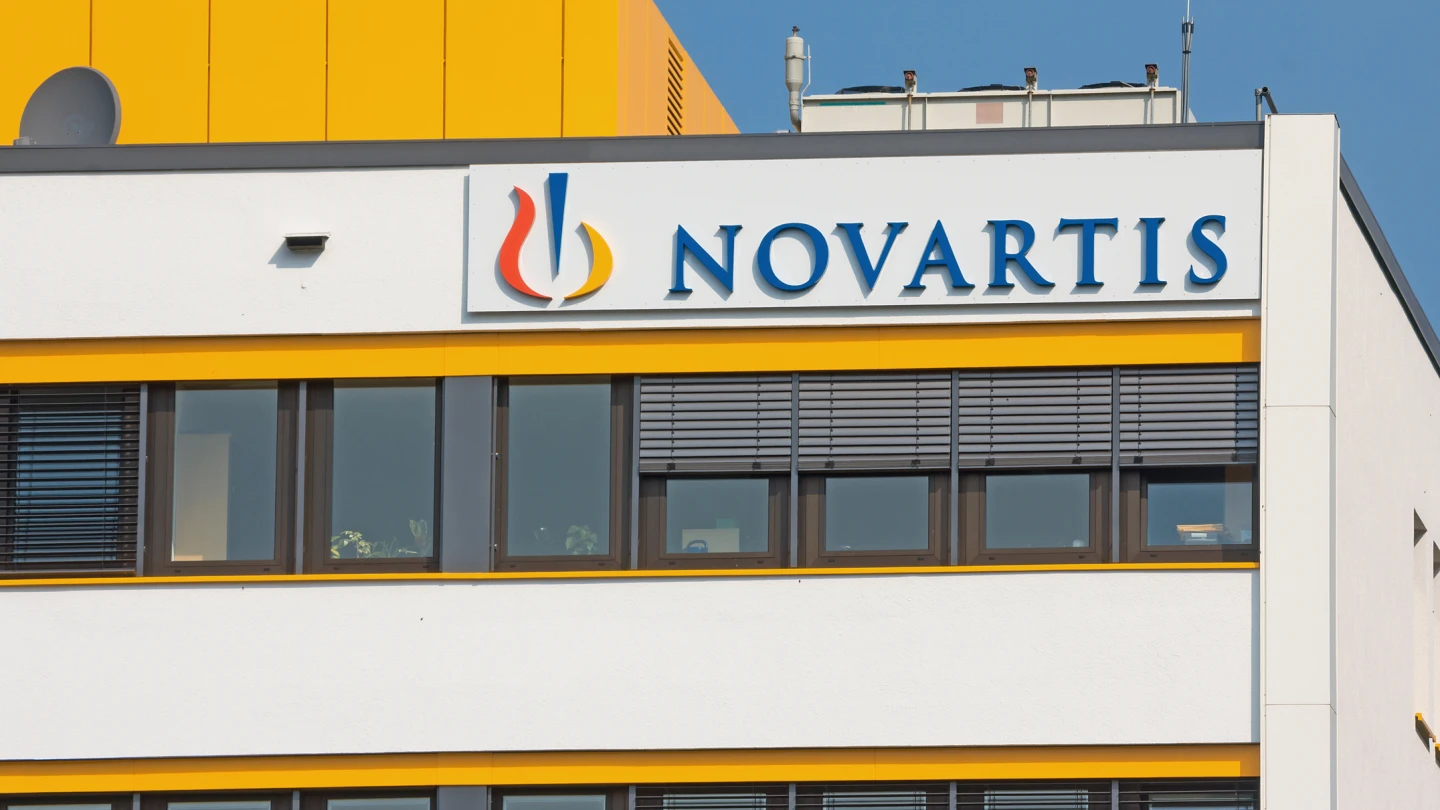
The first oral BTK blocker for chronic spontaneous urticaria, Rhapsido offers a more convenient treatment option for patients who still show symptoms after antihistamine treatment.

Novo Nordisk and Heartseed first partnered in 2021 to develop an investigational cell therapy for heart failure.

M&A headlined for a second straight week as Genmab acquired Merus for $8 billion; Pfizer strikes most-favored-nation deal with White House; CDER Director George Tidmarsh caused a stir with a now-deleted LinkedIn post; GSK CEO Emma Walmsley will step down from her role; and uniQure’s gene therapy offers new hope for patients with Huntington’s disease.

J&J still holds the top deal of the year by value with its $14.6 billion buy of Intra-Cellular in January, but the next four biggest acquisitions came in the past four months.

The two most historically deal-conservative Big Pharmas have the most money to play with for a major M&A transaction, according to a recent Stifel analysis.