
News

Viridian Therapeutics’ Lumvoa is the first FDA-approved treatment for thyroid eye disease that includes data for both active and chronic forms of the illness.


FEATURED STORIES

When the variance can’t be modeled, even disciplined biotech investors stop deploying. Here’s the cheapest fix for biotech’s investability problem.

Dual and even triple or quadruple track processes have come roaring back in 2026 thanks to a glut of M&A that has refilled investors’ wallets. Big Pharma is being put on notice that time is critical if they want to acquire.

Policymaking at FDA has been anything but business as usual under the Trump administration, but former regulators cite the agency’s new investigational new drug pilot program as a sign of normalcy.



FROM OUR EDITORS
Read our takes on the biggest stories happening in the industry.

If cell and gene therapy makers are going to achieve their mission to improve patients’ lives, the industry must come together to share information across stakeholders, from regulators to manufacturers to payers.
THE LATEST

The reprioritization initiative extends Aldeyra’s cash runway into the second half of 2027.

Eli Lilly and Johnson & Johnson are joining fellow Big Pharma peers in upping their investment in AI, with Lilly looking to create the industry’s ‘most powerful supercomputer’ and J&J building a virtual operating room.

As third-quarter earnings continue to roll out, Novartis makes headlines with the second biggest acquisition of the year; Novartis’ CEO also downplayed the impact of Big Pharma pricing deals with the Trump administration; Regeneron continued the trend of dropping cell therapy assets; BioSpace takes a look at how the FDA is functioning mid-shutdown.

While the FDA continues to put out guidance documents and approve drugs, some companies are already reporting delays in dealings with the agency, while insiders warn of falling morale and a negative perception from the rest of the biopharma world.

Mergers and acquisitions are not just for Big Pharma. A new report from Leerink Partners takes a stab at identifying the small- to mid-cap pharmas best prepared to bolster their pipelines with a buyout.

Vas Narasimhan confirmed that Novartis is having weekly discussions with the Trump administration on drug pricing, but a deal has not yet been reached.

Phase I/II data for rese-cel point to its therapeutic potential in systemic lupus erythematosus and lupus nephritis, as well as other autoimmune conditions.

BioMarin no longer expects to hit its $4 billion revenue target by 2027, citing various market factors such as impending competition for achondroplasia therapy Voxzogo and the divestment of the gene therapy Roctavian.
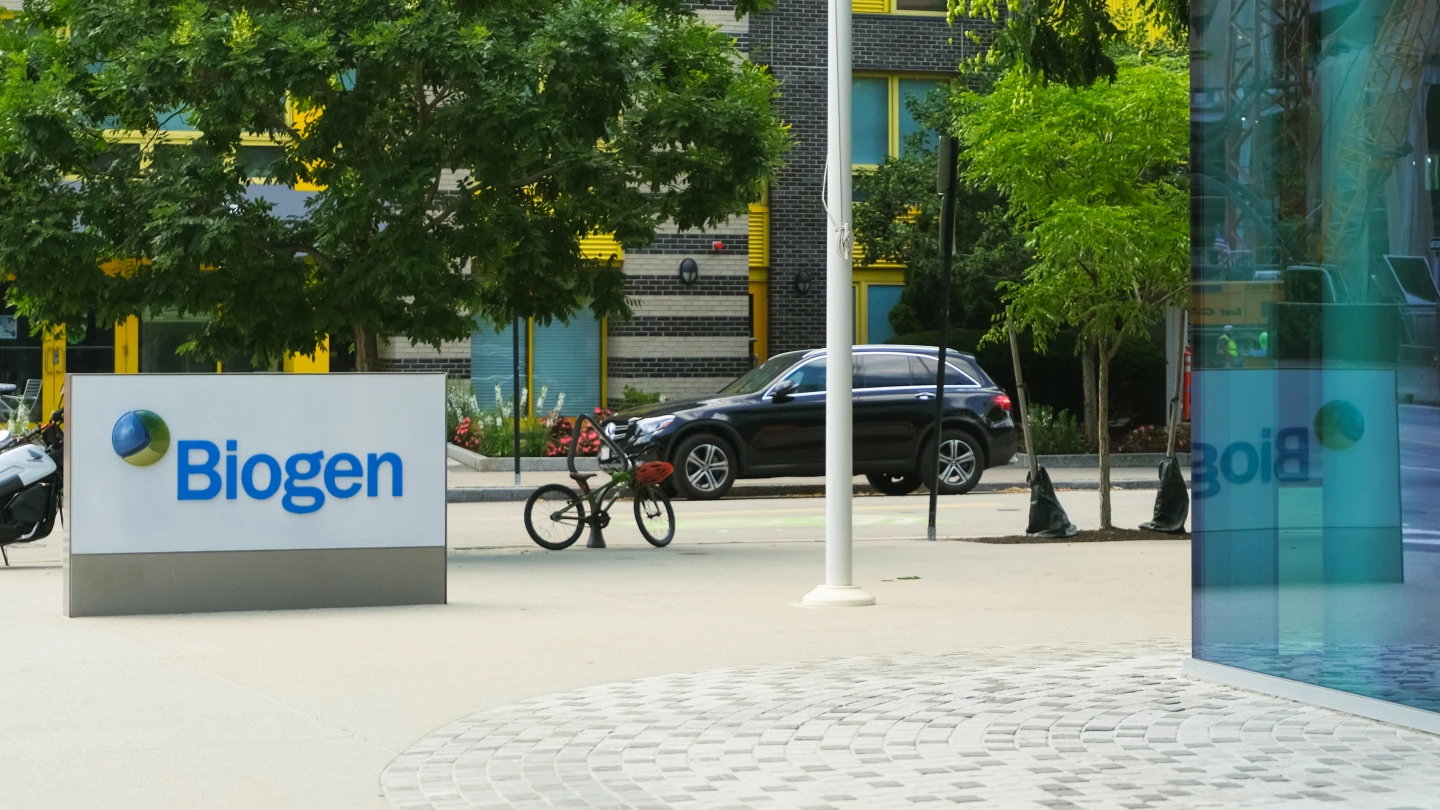
Phase III data for dapirolizumab pegol presented at the 2025 conference of the American College of Rheumatology showed quality-of-life benefits in systemic lupus erythematosus that could see Biogen go head-to-head with GSK and AstraZeneca in a blockbuster space.

The coming flu season is the clearest indication yet that biopharma’s long-standing assumptions about predictability, prevention and portfolio structure are no longer guaranteed.