
News

Congressional letters sent to the CEOs of Eli Lilly, Pfizer, Merck, BMS and AbbVie this week voicing concerns about the pharmas’ clinical trials in China highlight an ongoing discrepancy in how government and industry think about the rise of the Asian country’s biotech industry.


FEATURED STORIES

The total of 52 mergers and acquisitions for the first half of 2026 reflects what analysts, industry watchers and executives are saying over and over: M&A is back.

At the BIO International Convention in San Diego, attendees marked the 50th anniversary of original biotech Genentech, reflecting on the immense challenges facing companies as China becomes a powerhouse innovator.

A recent FDA reversal sparked new hope for patients with Huntington’s disease. Flying under the radar, Skyhawk Therapeutics revealed 12-month functional data from a midstage trial of its own candidate showing improvements on a key disease measurement scale.



FROM OUR EDITORS
Read our takes on the biggest stories happening in the industry.

If cell and gene therapy makers are going to achieve their mission to improve patients’ lives, the industry must come together to share information across stakeholders, from regulators to manufacturers to payers.
THE LATEST

Against steep odds and well-established paradigms, these four companies have successfully been commercializing their products on their own.

Though nerves abound for funders and founders in the industry, money continues to flow into startups, sometimes in eye-popping numbers. BioSpace rounds up the biggest raises so far this year.

Under the Inflation Reduction Act, medications with the same active ingredient will be treated as the same drug for price negotiation purposes—even if approved by the FDA under a separate application—disincentivizing companies from investing time and money in gaining approval for new formulations and indications.

The FDA’s dramatic summer continues to unfold as news broke late Tuesday evening that Vinay Prasad will depart the agency, where he had been the head of the Center for Biologics Evaluation and Research for less than three months.
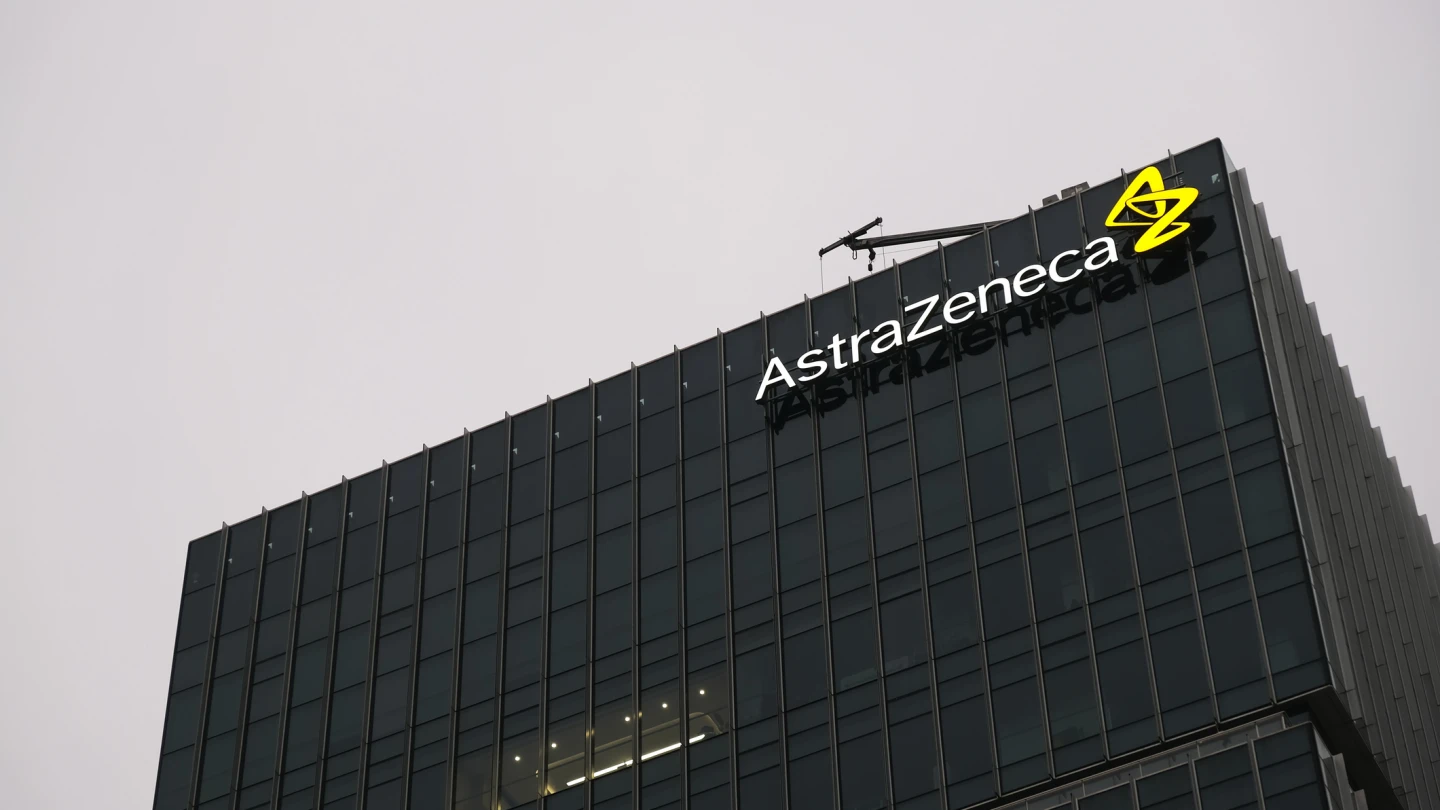
Pascal Soriot’s comments came during AstraZeneca’s Q2 earnings call in regard to President Donald Trump’s newly announced European pharma tariffs. The company also announced estimate-beating earnings, with its cancer portfolio driving earnings despite clinical roadblocks.

CEO Rob Davis referred to the cost reduction program as a ‘reallocation’ rather than a cut, with the savings to be reinvested to support up to 20 new product launches.

In a surprise double announcement Tuesday, Novo reduced sales guidance by 5%—attributing the change to slowed growth of its semaglutide franchise in the U.S.—and named current international operations head Maziar Mike Doustdar as its new president and CEO.

Six weeks after HHS Secretary RFK Jr. cited unexplained conflicts of interest in dismissing all 17 members of the CDC’s vaccine advisory committee, Democrats are asking for details.

While some analysts forecast the tariffs could mean billions in additional industry expenditure, others expect the overall impact to be “manageable.”

In a post on X, Health Secretary Robert F. Kennedy Jr. alleged that the Vaccine Injury Compensation Program has “devolved into a morass of inefficiency, favoritism, and outright corruption.”