
News

Saol Therapeutics is the latest biotech to resubmit for approval of a drug rejected under former FDA Commissioner Marty Makary, following REGENXBIO and Replimune.


FEATURED STORIES

Early-stage financing rounds are on track to hit their lowest dollar value in years as funders continue to eschew risky investments, experts told BioSpace.

A mostly black box since emerging with more than a billion dollars in hand, Xaira Therapeutics is slowly pulling back the curtain, revealing plans to find partners and validate its pipeline.

After debuting on the public markets with $256.3 million and raking in an additional $472 million, Veradermics has emerged as one of biotech’s biggest post-IPO standouts. CEO Reid Waldman credits the weight loss craze for establishing consumer-driven channels.





FROM OUR EDITORS
Read our takes on the biggest stories happening in the industry.

Congressional letters sent to the CEOs of Eli Lilly, Pfizer, Merck, BMS and AbbVie this week voicing concerns about the pharmas’ clinical trials in China highlight an ongoing discrepancy in how government and industry think about the rise of the Asian country’s biotech industry.
THE LATEST

BridgeBio’s Attruby preserves kidney function in patients with transthyretin amyloidosis cardiomyopathy, an effect that is “distinct” from other drugs in this space, according to Jefferies.

Molecular glue degraders are gaining traction in the clinic as well as funding from Big Pharma, with their potential to treat previously “undruggable” cancers and immunological diseases. Here are five clinical programs worth keeping an eye on.

Last month, the FDA launched TrialBlazer, intended to streamline the IND path and bring early clinical trials and medical innovation home to the U.S. It’s a start, but new agency leadership must see it through.

Significant leadership instability at the FDA—compounded by continued workforce attrition—led to a slight slowdown in overall regulatory productivity in the first half of this year, but the agency has been catching up of late.
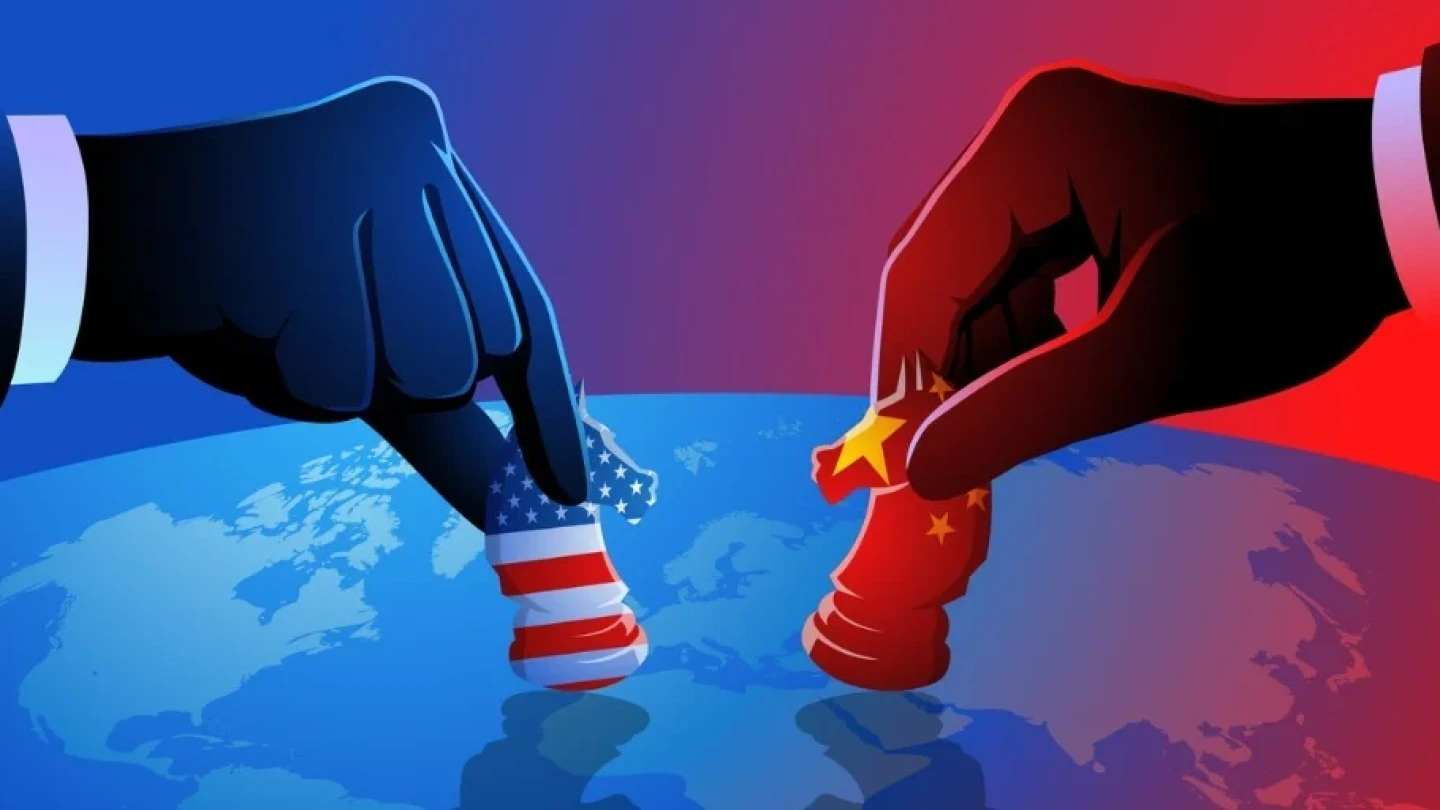
Congressional letters sent to the CEOs of Eli Lilly, Pfizer, Merck, BMS and AbbVie this week voicing concerns about the pharmas’ clinical trials in China highlight an ongoing discrepancy in how government and industry think about the rise of the Asian country’s biotech industry.

Many of the FDA’s decisions this quarter involve applications that have previously been delayed, declined or outright rejected, including one for an mRNA vaccine that became the center of controversy earlier this year.

AstraZeneca and CSPC Pharmaceutical Group have already inked two other agreements this year, including an obesity-focused deal in January and one focused on chronic diseases in June.

The mid-stage disappointment in Alzheimer’s disease delivers another blow to Neuphoria Therapeutics, which in November last year was forced to launch a strategic business review after a Phase 3 trial in social anxiety disorder failed.

The FDA approved the expansion of Casgevy, which had previously been greenlit for patients 12 and up, into a younger pediatric population under the agency’s Commissioner’s National Priority Voucher program.

Ipsen is penning its second acquisition of the week, this time securing Memo Therapeutics and its midstage monoclonal antibody in a deal that could approach $800 million.