
News

The FDA plans to hold an advisory committee meeting to discuss Capricor Therapeutics’ application for deramiocel, which the agency rejected last July. The news surprised CEO Linda Marbán, who told BioSpace the FDA has not communicated any issues of concern with the company’s resubmitted application.


FEATURED STORIES

Dual and even triple or quadruple track processes have come roaring back in 2026 thanks to a glut of M&A that has refilled investors’ wallets. Big Pharma is being put on notice that time is critical if they want to acquire.

Policymaking at FDA has been anything but business as usual under the Trump administration, but former regulators cite the agency’s new investigational new drug pilot program as a sign of normalcy.

The FDA’s recently altered outlook on the evidence required for approval of rare disease drugs could have immediate benefits for companies including Skyhawk Therapeutics, Capricor Therapeutics and Biohaven.



FROM OUR EDITORS
Read our takes on the biggest stories happening in the industry.

If cell and gene therapy makers are going to achieve their mission to improve patients’ lives, the industry must come together to share information across stakeholders, from regulators to manufacturers to payers.
THE LATEST

In a Cabinet meeting, Health Secretary Robert F. Kennedy Jr. said the website could go live “probably in the next 10 days,” but an exact launch date remains unclear.

Moderna will continue to lead clinical development and manufacturing of the asset, while Recordati will handle commercialization of mRNA-3927, which is under development for the rare metabolic disorder propionic acidemia.

The pact, which could see AstraZeneca ultimately put out $18.5 billion in milestones and sales-based payments, is centered on SYH2082, a long-acting dual agonist of the GLP-1 and GIP receptors.

Despite Sanofi CEO Paul Hudson’s confidence in vaccines, the French pharma has cut at least one mRNA flu shot program.

The FDA is currently reviewing Summit’s PD-1/VEGF bispecific as part of a chemotherapy combo for the treatment of locally advanced or metastatic non-squamous non-small cell lung cancer.

After years of contraction, investors see biotech reentering a growth cycle driven by scientific progress, asset quality and renewed conviction in oncology, obesity and neuroscience innovation.

Cancer-focused Eikon Therapeutics is seeking $273.5 million in its bid to trade on the Nasdaq, while hair growth specialist Veradermics is looking for $181.1 million in its foray onto the New York Stock Exchange.
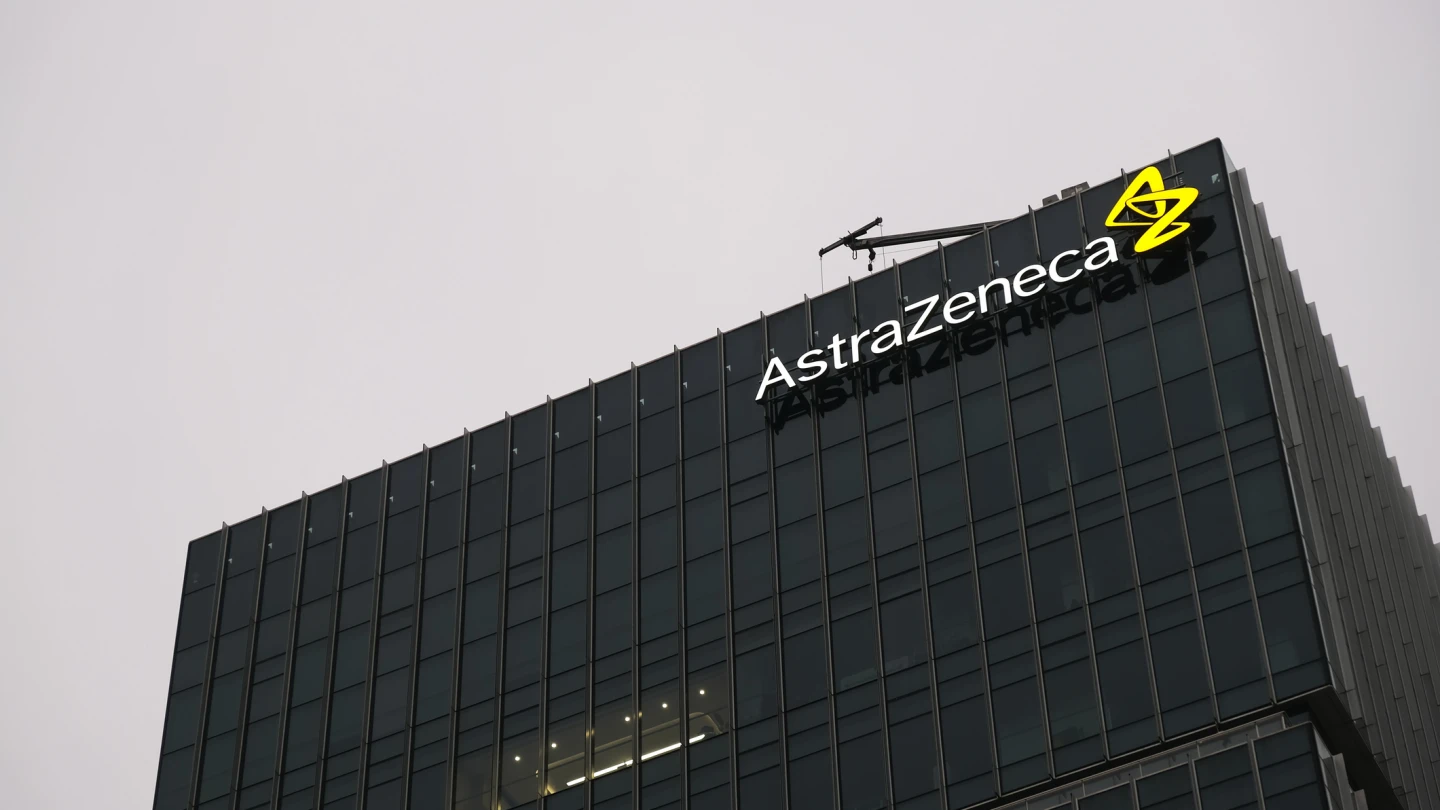
AstraZeneca has risen as one of pharma’s most prolific investors in China, including a $630 million pledge last week for full rights to AbelZeta’s cell therapy for cancer.

Sanofi’s vaccine sales dipped 2.5% in 2025, with almost all immunization products declining. Nevertheless, CEO Paul Hudson doubled down on his support for vaccine development.

Roche aims to become a “top three player” in obesity, Teresa Graham, CEO of the group’s Pharma unit, said Thursday during a presentation of the company’s full-year 2025 earnings.