
News

While Boehringer Ingelheim hasn’t yet revealed what diseases it will go after, Sitryx’s oral drug candidate could potentially be disease-modifying for a variety of autoimmune and inflammatory conditions.


FEATURED STORIES

Alternatives to opioids are desperately needed to better treat moderate to severe acute pain, but to date, we’ve seen few novel analgesics hit the market.

LB Pharma needed $350 million to advance a promising schizophrenia candidate at a time when the biotech markets were locked up tight. Fortunately, it wasn’t CEO Heather Turner’s first rodeo.

Rare disease drug developers struggle to survive in a biopharma investment market that prioritizes large patient populations. Initiatives like the Orphan Therapeutics Accelerator are attempting to solve what CEO Craig Martin says is not a science problem, but a math problem.





FROM OUR EDITORS
Read our takes on the biggest stories happening in the industry.

Eli Lilly’s win in a head-to-head trial drove Novo Nordisk’s market cap to pre-Wegovy levels not long after the victor became the first pharma company to top a $1 trillion valuation. It seems one company can do no right, while the other can do no wrong.
THE LATEST

In this deep dive, BioSpace investigates China’s rise as a biotech powerhouse.

Intellia earlier this year reported a similar grade 4 liver enzyme elevation associated with the gene therapy nexiguran ziclumeran, though analysts at BMO Capital Markets at the time brushed it off as a “non-concern.”

The takeover of its competitor, announced Sunday, could also bring some attention to Dyne Therapeutics, which has a similar RNA-based pipeline in rare muscle diseases.
Lynkuet is the first FDA-approved therapy that blocks both the neurokinin 1 and neurokinin 3 receptors to treat hot flashes.
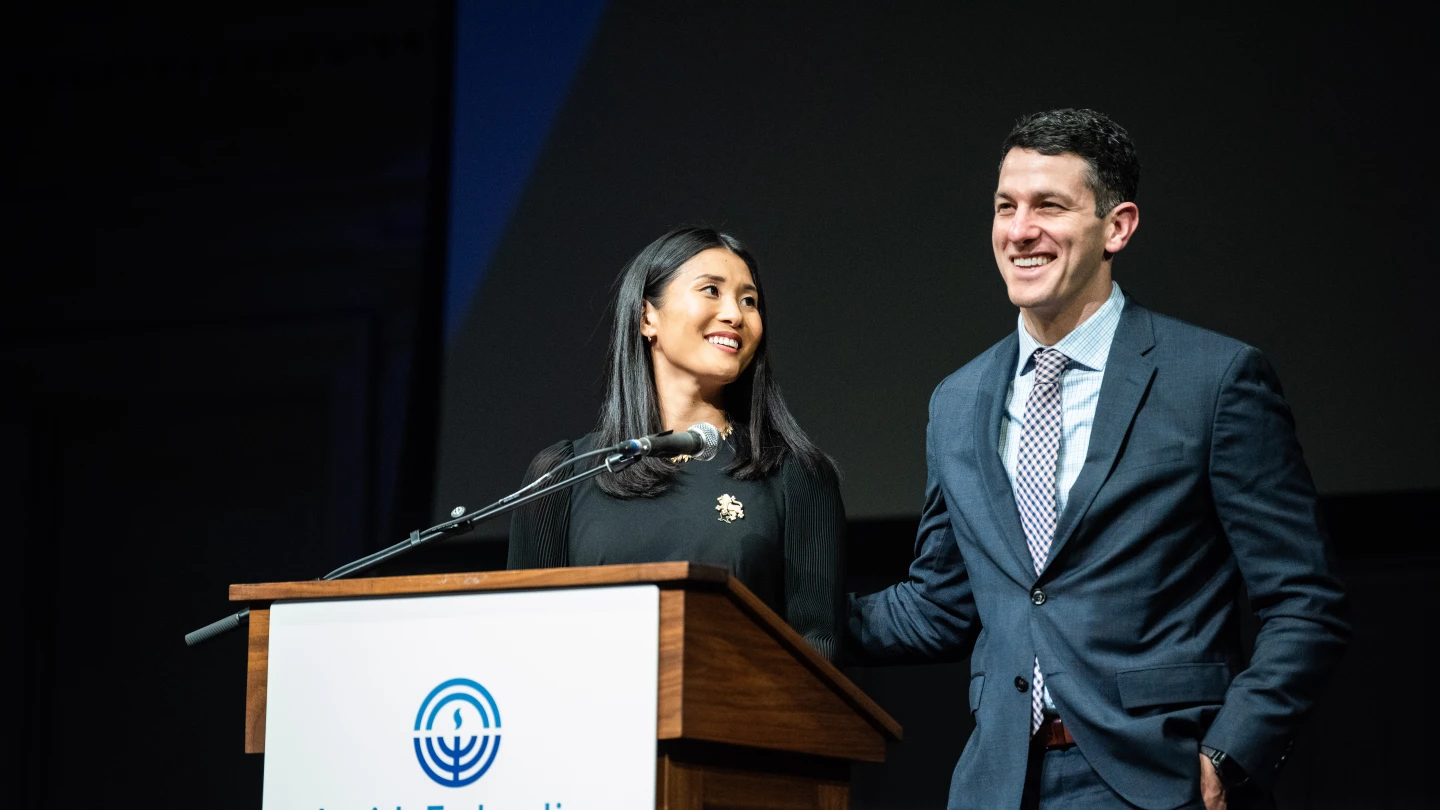
The BioSpace 40 Under 40 winner opens up about his very personal career transformation from wealth management to biotech—and what it’s like to develop a drug for amyotrophic lateral sclerosis and frontotemporal dementia as a potential patient himself.

Last month, “historic positive results” from uniQure’s gene therapy snapped the Huntington’s community out of years of failure. As the biotech prepares to submit for FDA approval, BioSpace looks at four more candidates on the near horizon.

Pivotal results from uniQure’s gene therapy for Huntington’s disease have brought new light to patients who have known only disappointment in recent years—but one expert worries that communication of the results is creating “false expectations.”
The deal, announced early Sunday afternoon, will see Novartis gain access to Avidity’s neuroscience assets, while the San Diego biotech spins out a new company to shepherd its early-stage precision cardiology programs.
The $70 million upfront deal adds to a portfolio of drugs Biogen has been growing in various immunological conditions since 2024.

The cornerstone of the deal is Ixo-vec, an intravitreal gene therapy currently in Phase III development for wet age-related macular degeneration. Eli Lilly made another foray into genetic medicine in June, picking up Verve Therapeutics for up to $1.3 billion.