
News



FEATURED STORIES

Speaking to media on Tuesday, BIO CEO John Crowley complimented China’s rise as a biotech powerhouse but said U.S. policy needs to protect and maintain America’s lead.

While merger and acquisition activity has been robust of late, frequent changes in guidance and leadership at the regulator add risk to any transaction.

With drug pricing now embedded in U.S. policy, business development teams in biotech and pharma are changing the way they strike deals, including acknowledging policy uncertainties with renegotiation clauses.


FROM OUR EDITORS
Read our takes on the biggest stories happening in the industry.

If cell and gene therapy makers are going to achieve their mission to improve patients’ lives, the industry must come together to share information across stakeholders, from regulators to manufacturers to payers.
THE LATEST

After years of contraction, investors see biotech reentering a growth cycle driven by scientific progress, asset quality and renewed conviction in oncology, obesity and neuroscience innovation.

Cancer-focused Eikon Therapeutics is seeking $273.5 million in its bid to trade on the Nasdaq, while hair growth specialist Veradermics is looking for $181.1 million in its foray onto the New York Stock Exchange.
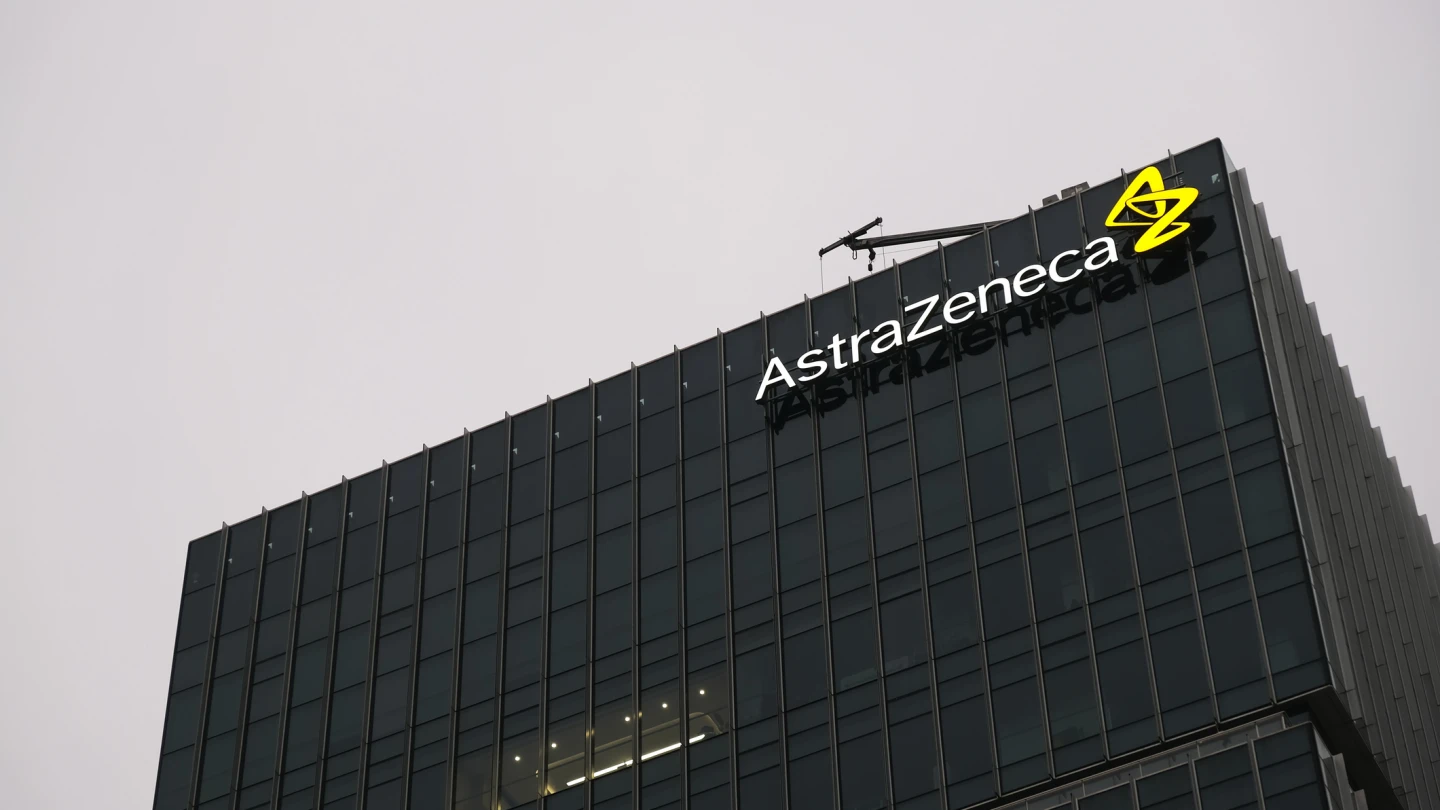
AstraZeneca has risen as one of pharma’s most prolific investors in China, including a $630 million pledge last week for full rights to AbelZeta’s cell therapy for cancer.

Sanofi’s vaccine sales dipped 2.5% in 2025, with almost all immunization products declining. Nevertheless, CEO Paul Hudson doubled down on his support for vaccine development.

Roche aims to become a “top three player” in obesity, Teresa Graham, CEO of the group’s Pharma unit, said Thursday during a presentation of the company’s full-year 2025 earnings.

The Repertoire partnership is Lilly’s second immunology play of the year, after the acquistion of Ventyx in early January for a pipeline of NLRP3 assets.

In this episode of Denatured, Jennifer C. Smith-Parker speaks with RTW’s Rod Wong and Stephanie Sirota how shifting JPM deal timing masks record M&A potential; why oncology, obesity, psychedelics, and neuroscience are attracting fresh capital; and how “alpha stacking” shapes their investment edge in an age of chronic uncertainty. They cover topics discussed in RTW’s new book, “Innovation is the Best Medicine.”

More biopharma organizations were actively recruiting at the end of 2025 than 2024, based on the new BioSpace employment outlook report. Areas in demand this year include research and development and clinical. Organizations are also prioritizing artificial intelligence hires.

Looking for an IT job? From data engineer to information security, check out the BioSpace list of 10 companies hiring life sciences professionals like you.

The discovery of a tumor in a patient who received REGENXBIO’s gene therapy for Hurler syndrome prompted the FDA to place a hold on that program along with the company’s Hunter syndrome program, which is awaiting an FDA decision on or before Feb. 8.