
News

The FDA’s priority review acceptance of BridgeBio’s BBP-418 is another step toward what William Blair previously dubbed a “diversified commercial portfolio.” It also adds to the rapidly building momentum in muscular dystrophy more broadly.


FEATURED STORIES

From Eli Lilly’s David Ricks to Pfizer’s Albert Bourla, the top five highest paid CEOs made a combined $157.8 million in 2025.

Partners Summit Therapeutics and Akeso are expected to steal the show at the American Society of Clinical Oncology’s annual conference with data from their potential Keytruda rival, alongside Revolution Medicine’s groundbreaking pancreatic cancer candidate and other assets that could reshape patient care.

The tragic tale of TIGIT is well known. However, RIPK1, myc, STING and alpha-synuclein have also left a trail of failed clinical trials, canceled partnerships and sunk investments in their wake.



FROM OUR EDITORS
Read our takes on the biggest stories happening in the industry.

The Department of Health and Human Services is spinning its wheels, unable to establish steady leadership at three major divisions—the CDC and the FDA’s two primary review units.
THE LATEST

An inconsistent boom-and-bust cycle funding environment for early-stage biotech innovations and burdensome regulation threaten the U.S.’s half-century-long dominance in the biotech sector.

After a period of diversification, Novo Nordisk is returning to its roots by focusing on the 2 billion people with diabetes, obesity or overweight.

BMO analysts say Eli Lilly is well-positioned to maintain its lead in the ballooning weight loss space, predicting “strengthening leadership in obesity and beyond” as portfolios expand and patient access improves.

Biopharma companies—including AstraZeneca, BioNTech and Agios—peered farther into the future on the second day of JPM, setting both revenue and R&D targets through the end of the decade.
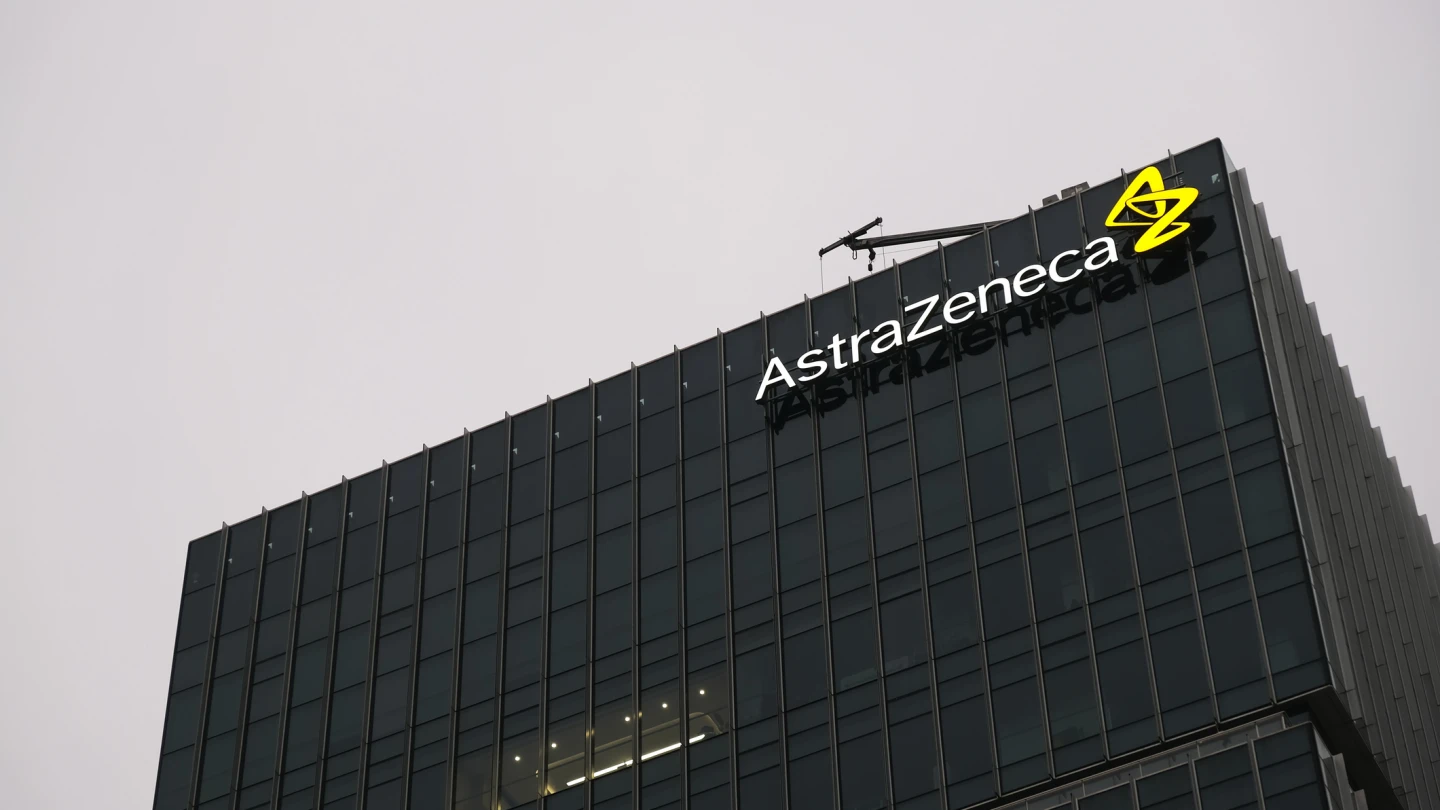
AstraZeneca is relying on several upcoming products to help hit its target of $80 billion in revenue by 2030, including drugs for hypertension, breast cancer and generalized myasthenia gravis, all of which are currently under FDA review.

A more detailed review of data by the FDA showed that GLP-1 drugs do not increase the risk of suicidal ideation or behavior.

AbbVie and Novartis strike billion-dollar pacts while attendees at the J.P. Morgan Healthcare Conference await that one big M&A deal and Merck teases limitless buying capacity; Eli Lilly readies for potential orforglipron launch while Novo Nordisk laments compounders; the IPO window cracks open; and the FDA concludes that GLP-1s do not pose a suicide risk.

Speaking to BioSpace at the J.P. Morgan Healthcare Conference, Novartis’ chief dealmaker Ronny Gal explains why the Swiss pharma hasn’t acquired a GLP-1, and why it probably won’t.

There hasn’t been a headline-stealing deal at J.P. Morgan yet. Nevertheless, the mood is positive amid green shoots and a flurry of dealmaking to end 2025.

Merck CEO Rob Davis expressed high confidence during the company’s J.P. Morgan presentation on Monday, revealing that the company is open to deals in the range of “multi tens of billions of dollars.”