
News

While Boehringer Ingelheim hasn’t yet revealed what diseases it will go after, Sitryx’s oral drug candidate could potentially be disease-modifying for a variety of autoimmune and inflammatory conditions.


FEATURED STORIES

Alternatives to opioids are desperately needed to better treat moderate to severe acute pain, but to date, we’ve seen few novel analgesics hit the market.

LB Pharma needed $350 million to advance a promising schizophrenia candidate at a time when the biotech markets were locked up tight. Fortunately, it wasn’t CEO Heather Turner’s first rodeo.

Rare disease drug developers struggle to survive in a biopharma investment market that prioritizes large patient populations. Initiatives like the Orphan Therapeutics Accelerator are attempting to solve what CEO Craig Martin says is not a science problem, but a math problem.





FROM OUR EDITORS
Read our takes on the biggest stories happening in the industry.

Eli Lilly’s win in a head-to-head trial drove Novo Nordisk’s market cap to pre-Wegovy levels not long after the victor became the first pharma company to top a $1 trillion valuation. It seems one company can do no right, while the other can do no wrong.
THE LATEST

Leerink analysts warned that Kennedy’s remarks to FDA staff would likely be a negative for the biotech industry.

At the GenScript Biotech Global Forum 2025, industry leaders celebrated CAR T cell therapy achievements while discussing ongoing challenges in manufacturing, distribution, treatment center capacity, and global payment structures for cell and gene therapies.

AI is enabling the development of a next generation of drugs that can more precisely target cancer cells while sparing healthy tissues.

After the gutting of the Department of Health and Human Services, fears mount about the future direction of the FDA—with regulatory experts predicting delays in drug approvals and greater influence of political appointees.

Lined up for the FDA in the coming weeks are a cell-based gene therapy for a rare skin disease and two product expansions for Regeneron, one with partner Sanofi.

Health and Human Services employees aren’t the only ones out of work. Thousands of private-sector biopharma professionals lost their jobs in the first quarter.

As the biopharma industry grapples with the uncertain macro environment brought on by the new administration, CEOs, regulators and many others speak out.

According to analysts at Jefferies, legislation such as the newly proposed bills that aim to streamline regulatory processes would be a positive for the biotech industry.
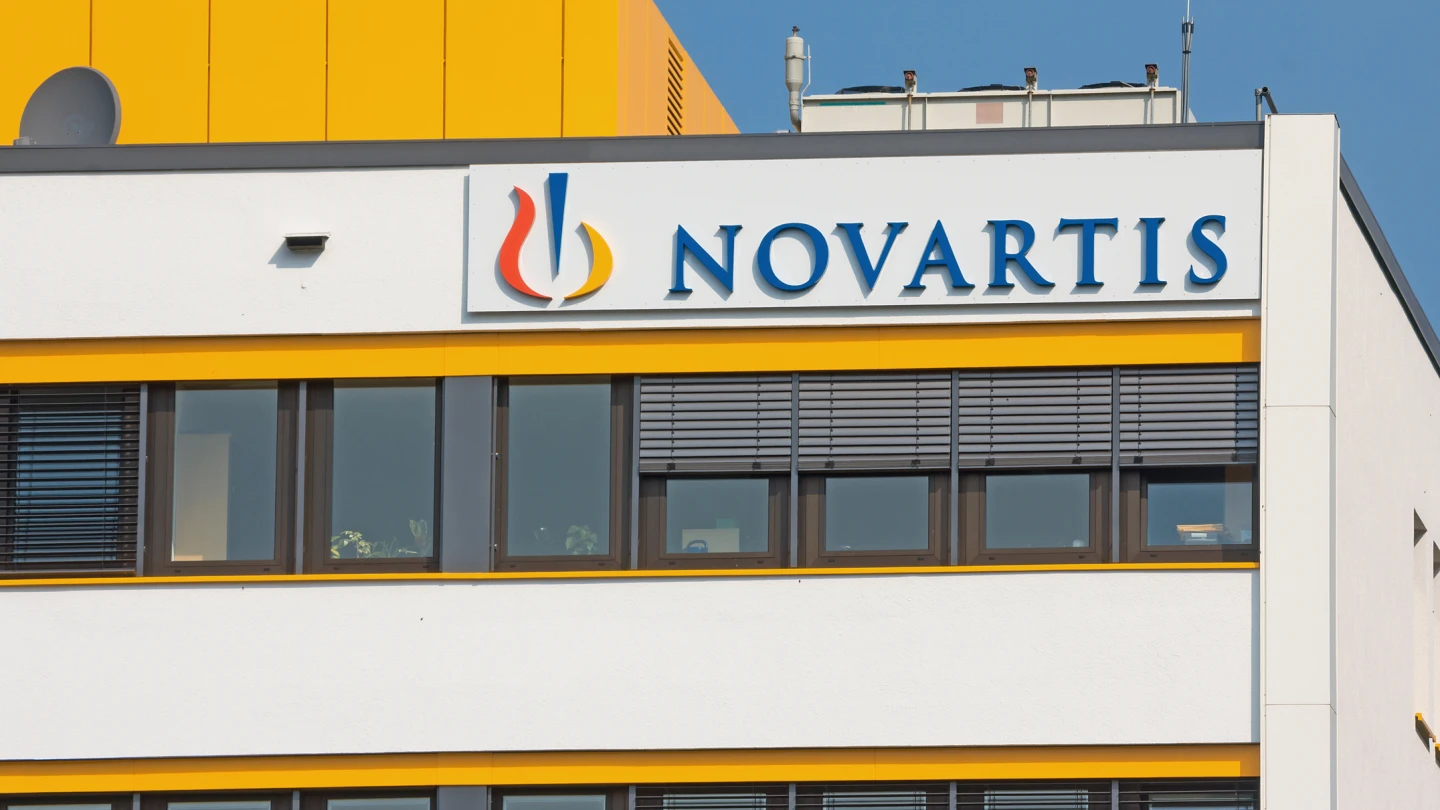
Novartis plans to build seven new facilities in the U.S., touting the creation of up to 1,000 new jobs at the company. The new facilities will include a biomedical research hub in California, two radioligand plants, and four manufacturing sites.

Analysts at William Blair expect drug developers will continue to perform “at least some animal testing” on their investigational products. Though the process to phase out animal testing will begin “immediately,” no specific timetable was given.