
News

Looking for a biopharma job in San Francisco or South San Francisco? Check out the BioSpace list of 10 companies hiring life sciences professionals like you.


FEATURED STORIES

LB Pharma needed $350 million to advance a promising schizophrenia candidate at a time when the biotech markets were locked up tight. Fortunately, it wasn’t CEO Heather Turner’s first rodeo.

Rare disease drug developers struggle to survive in a biopharma investment market that prioritizes large patient populations. Initiatives like the Orphan Therapeutics Accelerator are attempting to solve what CEO Craig Martin says is not a science problem, but a math problem.

Eli Lilly’s win in a head-to-head trial drove Novo Nordisk’s market cap to pre-Wegovy levels not long after the victor became the first pharma company to top a $1 trillion valuation. It seems one company can do no right, while the other can do no wrong.





FROM OUR EDITORS
Read our takes on the biggest stories happening in the industry.

Following the FDA’s refusal to review Moderna’s investigational mRNA flu vaccine last week, Commissioner Marty Makary faced questions from the U.S. president about the agency’s handling of vaccines. It’s a clear signal that the tension long brewing at the drug regulator has now gone all the way to the top.
THE LATEST

The past year saw manufacturing challenges pushed into the spotlight. BioSpace spoke to two executives who shared key issues facing those working in this area, from finding the right providers to dealing with regulatory uncertainty.

Primarily known as an immunology and neuroscience company, AbbVie wanted to put the biopharma world on notice during its J.P. Morgan presentation: its oncology portfolio is underappreciated. This week, the Illinois-based company dove into the sizzling PD-1/VEGF space with a licensing deal with China-based RemeGen.

Buying vaccine biotech Dynavax was an easy choice for Sanofi despite anti-vaccine moves by the Trump administration.

At a J.P. Morgan media event Tuesday, the Gilead C-suite seemed to be walking on air as they highlighted Yeztugo’s capture of the HIV market and its plans for business development.

Three years after the accelerated approval of its anti-amyloid Alzheimer’s therapy, Biogen—neck and neck in the market with Eli Lilly and its Kisunla offering—is focused on a near-term FDA decision for a subcutaneous induction dose of Leqembi, a presymptomatic readout in 2028 and a clutch of next-generation candidates.

An inconsistent boom-and-bust cycle funding environment for early-stage biotech innovations and burdensome regulation threaten the U.S.’s half-century-long dominance in the biotech sector.

After a period of diversification, Novo Nordisk is returning to its roots by focusing on the 2 billion people with diabetes, obesity or overweight.

BMO analysts say Eli Lilly is well-positioned to maintain its lead in the ballooning weight loss space, predicting “strengthening leadership in obesity and beyond” as portfolios expand and patient access improves.

Biopharma companies—including AstraZeneca, BioNTech and Agios—peered farther into the future on the second day of JPM, setting both revenue and R&D targets through the end of the decade.
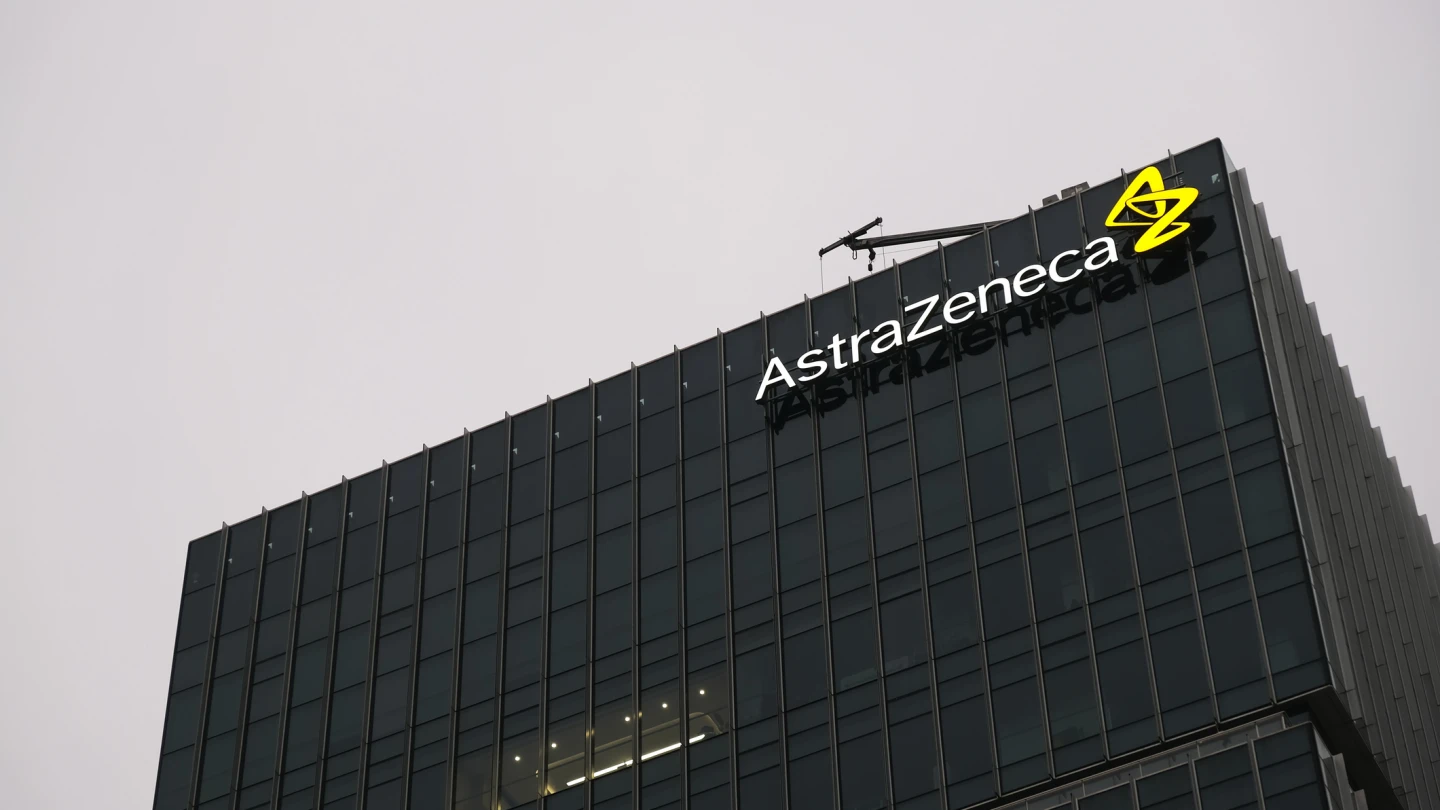
AstraZeneca is relying on several upcoming products to help hit its target of $80 billion in revenue by 2030, including drugs for hypertension, breast cancer and generalized myasthenia gravis, all of which are currently under FDA review.