
Drug Development

The mid-stage disappointment in Alzheimer’s disease delivers another blow to Neuphoria Therapeutics, which in November last year was forced to launch a strategic business review after a Phase 3 trial in social anxiety disorder failed.


FEATURED STORIES

A recent FDA reversal sparked new hope for patients with Huntington’s disease. Flying under the radar, Skyhawk Therapeutics revealed 12-month functional data from a midstage trial of its own candidate showing improvements on a key disease measurement scale.

Recent approvals for Corcept Therapeutics and Merck have injected momentum into the space, where GSK, Allarity Therapeutics, OSE Immunotherapies and others are advancing their own candidates.

The FDA plans to hold an advisory committee meeting to discuss Capricor Therapeutics’ application for deramiocel, which the agency rejected last July. The news surprised CEO Linda Marbán, who told BioSpace the FDA has not communicated any issues of concern with the company’s resubmitted application.
Subscribe to ClinicaSpace
Clinical trial results, research news, the latest in cancer and cell and gene therapy, in your inbox every Monday
THE LATEST
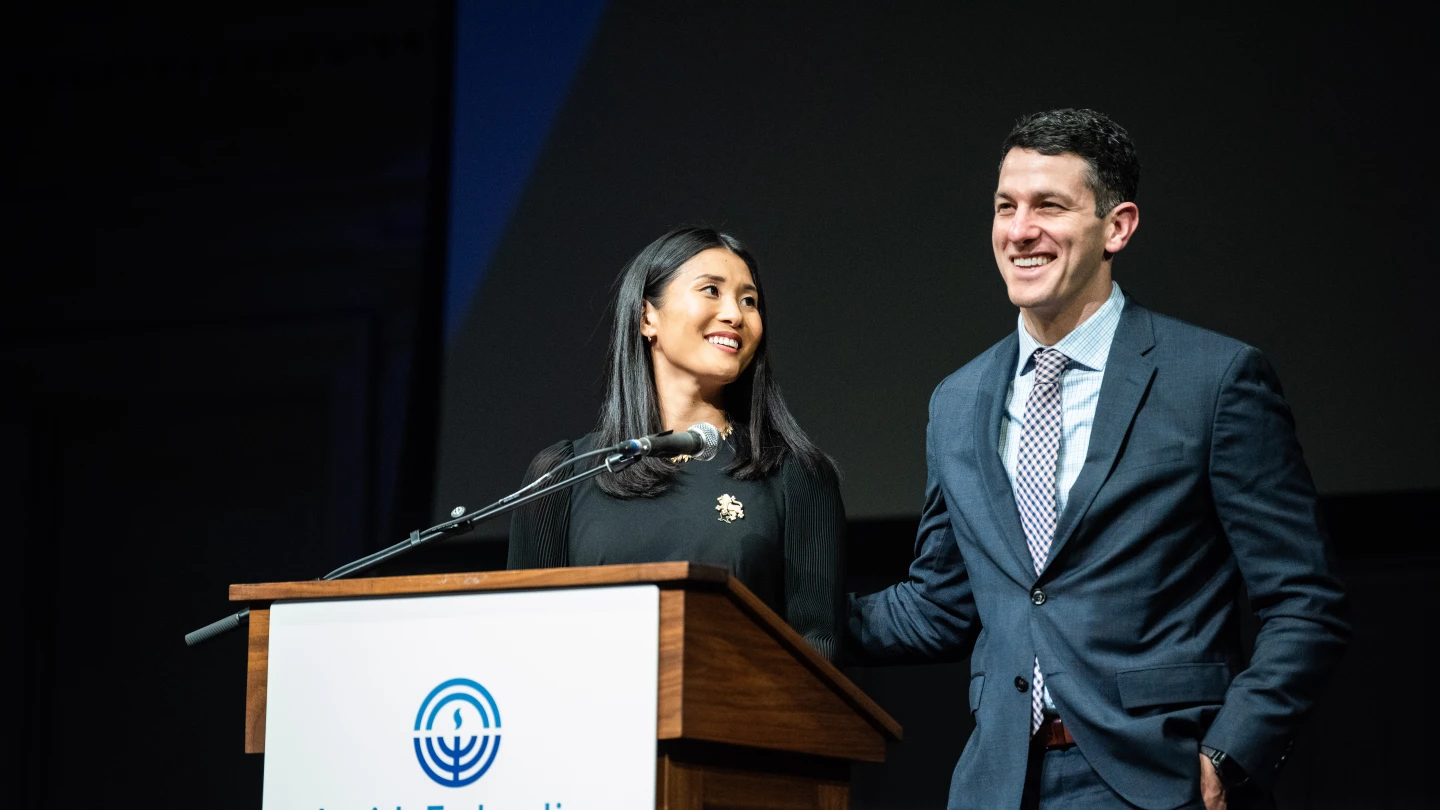
The BioSpace 40 Under 40 winner opens up about his very personal career transformation from wealth management to biotech—and what it’s like to develop a drug for amyotrophic lateral sclerosis and frontotemporal dementia as a potential patient himself.

Last month, “historic positive results” from uniQure’s gene therapy snapped the Huntington’s community out of years of failure. As the biotech prepares to submit for FDA approval, BioSpace looks at four more candidates on the near horizon.

Pivotal results from uniQure’s gene therapy for Huntington’s disease have brought new light to patients who have known only disappointment in recent years—but one expert worries that communication of the results is creating “false expectations.”

Sales of Sanofi’s COVID-19 and flu vaccines fell 17% in the third quarter amid declining vaccination rates and pricing pressures in Europe.

Despite showing no meaningful benefit on lung function, Arcturus’ mRNA therapy ARCT-032 reduced mucus volume in patients with cystic fibrosis—an outcome William Blair found “potentially promising.”

A key question for investors going forward will be whether Moderna’s other latent virus vaccines for Epstein-Barr and shingles can succeed after the failure of the CMV program.

Pfizer, Merck, AstraZeneca and Bristol Myers Squibb were among the many biopharmas showing off novel cancer modalities at ESMO, with antibody-drug conjugates, bispecific antibodies and kinase inhibitors demonstrating encouraging efficacy and safety for various cancers.

Two patients experienced grade 3 liver enzyme elevations that were deemed related to Terns’ investigational obesity pill TERN-601.

This represents Alector’s second failed neurodegenerative asset in a year, after an AbbVie-partnered asset missed in Alzheimer’s last November. On latozinemab for frontotemporal dementia, Alector was working with GSK, which fronted $700 million in 2021 to collaborate on two programs.

Novo Nordisk’s leadership gets another shake-up as President Trump promises to significantly slash prices for its GLP-1 drugs; Summit/Akeso, Exelixis and more present new data at ESMO 2025; Replimune pops as FDA accepts resubmitted BLA; FDA names first winners of Commissioner’s National Priority Voucher program; and more.