
Drug Development

The mid-stage disappointment in Alzheimer’s disease delivers another blow to Neuphoria Therapeutics, which in November last year was forced to launch a strategic business review after a Phase 3 trial in social anxiety disorder failed.


FEATURED STORIES

A recent FDA reversal sparked new hope for patients with Huntington’s disease. Flying under the radar, Skyhawk Therapeutics revealed 12-month functional data from a midstage trial of its own candidate showing improvements on a key disease measurement scale.

Recent approvals for Corcept Therapeutics and Merck have injected momentum into the space, where GSK, Allarity Therapeutics, OSE Immunotherapies and others are advancing their own candidates.

The FDA plans to hold an advisory committee meeting to discuss Capricor Therapeutics’ application for deramiocel, which the agency rejected last July. The news surprised CEO Linda Marbán, who told BioSpace the FDA has not communicated any issues of concern with the company’s resubmitted application.
Subscribe to ClinicaSpace
Clinical trial results, research news, the latest in cancer and cell and gene therapy, in your inbox every Monday
THE LATEST

Late-breaking Phase III data show ianalumab, Novartis’ dual-targeted antibody, reduced disease activity and patient burden in Sjögren’s disease, the pharma reported at the American College of Rheumatology Convergence congress on Wednesday.

Already sky high after the success of its limb-girdle muscular dystrophy therapy, reported on Monday, BridgeBio’s shares rose nearly 8% more as encaleret balanced calcium levels in patients with a genetic thyroid disorder.

The reprioritization initiative extends Aldeyra’s cash runway into the second half of 2027.

As third-quarter earnings continue to roll out, Novartis makes headlines with the second biggest acquisition of the year; Novartis’ CEO also downplayed the impact of Big Pharma pricing deals with the Trump administration; Regeneron continued the trend of dropping cell therapy assets; BioSpace takes a look at how the FDA is functioning mid-shutdown.

Phase I/II data for rese-cel point to its therapeutic potential in systemic lupus erythematosus and lupus nephritis, as well as other autoimmune conditions.
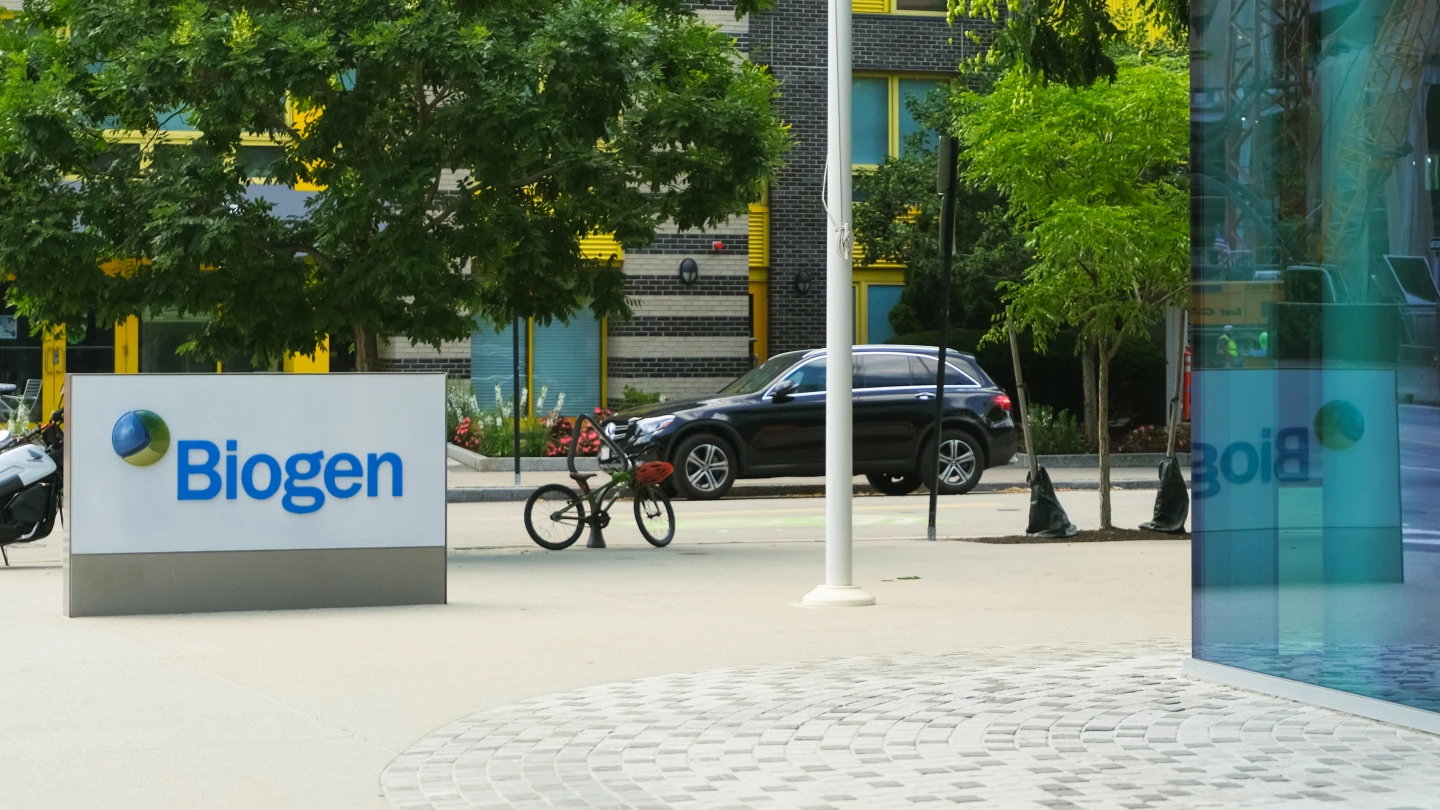
Phase III data for dapirolizumab pegol presented at the 2025 conference of the American College of Rheumatology showed quality-of-life benefits in systemic lupus erythematosus that could see Biogen go head-to-head with GSK and AstraZeneca in a blockbuster space.

The coming flu season is the clearest indication yet that biopharma’s long-standing assumptions about predictability, prevention and portfolio structure are no longer guaranteed.

New interim data from a Phase III trial puts the company on track to file for FDA approval next year in an indication that not only lacks a disease-modifying treatment but suffered significant setbacks after a patient died in a clinical trial for Sarepta’s investigational gene therapy.

In this deep dive, BioSpace investigates China’s rise as a biotech powerhouse.

Intellia earlier this year reported a similar grade 4 liver enzyme elevation associated with the gene therapy nexiguran ziclumeran, though analysts at BMO Capital Markets at the time brushed it off as a “non-concern.”