
Drug Development

New data on Hengrui Pharma and Kailera Therapeutics’ investigational oral GLP-1 have validated the late-stage weight loss asset and paved the road for a regulatory submission in China, but analysts pointed to high rates of nausea and vomiting that could challenge the ongoing U.S. study.


FEATURED STORIES

A recent FDA reversal sparked new hope for patients with Huntington’s disease. Flying under the radar, Skyhawk Therapeutics revealed 12-month functional data from a midstage trial of its own candidate showing improvements on a key disease measurement scale.

Recent approvals for Corcept Therapeutics and Merck have injected momentum into the space, where GSK, Allarity Therapeutics, OSE Immunotherapies and others are advancing their own candidates.

The FDA plans to hold an advisory committee meeting to discuss Capricor Therapeutics’ application for deramiocel, which the agency rejected last July. The news surprised CEO Linda Marbán, who told BioSpace the FDA has not communicated any issues of concern with the company’s resubmitted application.
Subscribe to ClinicaSpace
Clinical trial results, research news, the latest in cancer and cell and gene therapy, in your inbox every Monday
THE LATEST

Like its U.S. and European counterparts, Britain’s Medicines and Healthcare Products Regulatory Agency found no conclusive link between the use of GLP-1s and a heightened risk of suicidal and self-injury thoughts.

Days after Sanofi reported back-to-back failures for its BTK inhibitor, Roche’s fenebrutinib on Wednesday scored a mid-stage win in relapsing multiple sclerosis, demonstrating near-total elimination of disease activity.

The investigational injection fosgonimeton appeared to have better efficacy in patients with more severe disease, according to post-hoc subgroup analyses, though none resulted in statistically significant effects.

Recursion’s oral drug candidate for cerebral cavernous malformation showed no improvements in patient- or physician-reported outcomes at 12 months. The biotech will engage with the FDA to determine the need for an additional study.
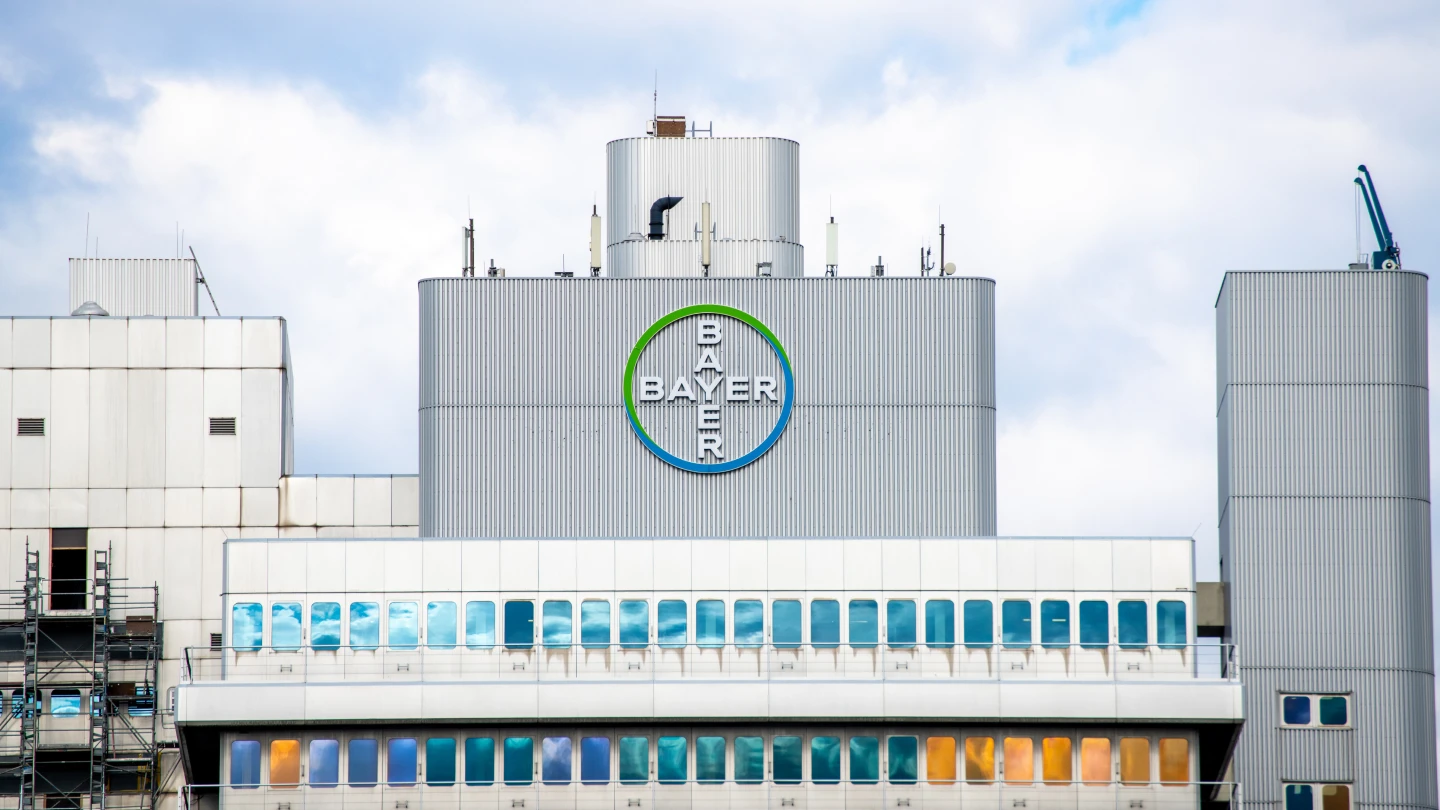
Bayer’s Kerendia, at the center of a $3 billion sales forecast, reduced the risk of cardiovascular death and heart failure in a Phase III trial.

The highly anticipated results come as the company makes significant changes to its C-suite. Despite the turnover, Dyne said it is looking toward expedited approval pathways for its DMD treatment.

The BTK inhibitor showed promise in non-relapsing secondary progressive multiple sclerosis but not relapsing MS. The company said it plans to apply for approval for the former “as soon as possible.”

The agency’s inertia and bureaucratic roadblocks are throttling hope for millions of patients. A new center of excellence would provide a solution.

With promising early results, cell and gene therapies are making headway against both rare and common ocular and auditory diseases.

With gene therapies by REGENXBIO and AbbVie, Adverum and others in mid- or late-stage trials, this therapeutic class could soon be an option for this common cause of blindness in the elderly.