
Cancer

Target action dates for drugs sponsored by Sanofi, Boehringer Ingelheim and Disc Medicine have also been pushed back despite assurances of swift reviews under the FDA’s new Commissioner’s National Priority Voucher program.

2026 is shaping up to be a pivotal year for rare disease drugmakers, with key approvals, filings and readouts lined up for this year.

Primarily known as an immunology and neuroscience company, AbbVie wanted to put the biopharma world on notice during its J.P. Morgan presentation: its oncology portfolio is underappreciated. This week, the Illinois-based company dove into the sizzling PD-1/VEGF space with a licensing deal with China-based RemeGen.
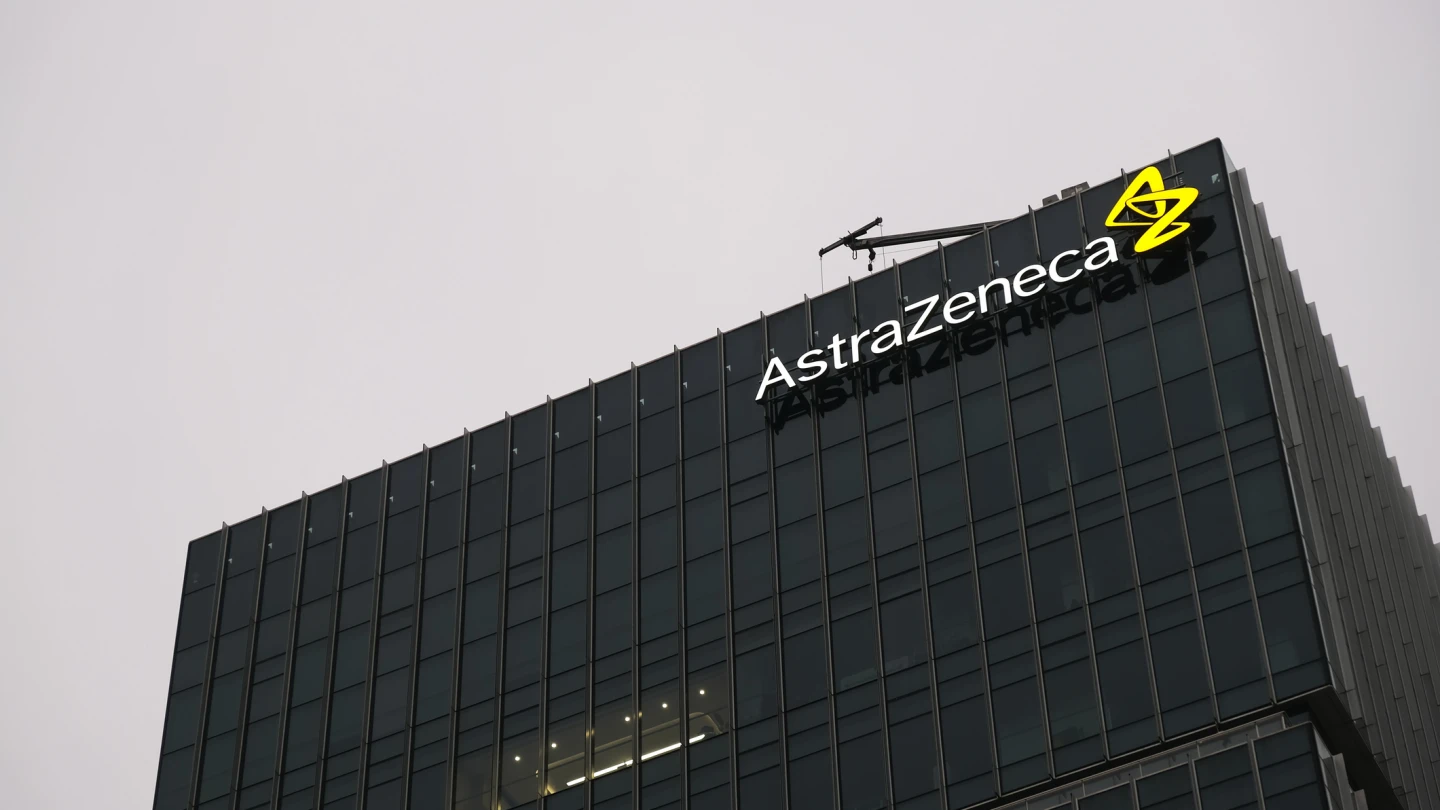
AstraZeneca is relying on several upcoming products to help hit its target of $80 billion in revenue by 2030, including drugs for hypertension, breast cancer and generalized myasthenia gravis, all of which are currently under FDA review.

The FDA initially placed the Phase III IDeate-Lung02 study on hold due to a “higher than expected” number of deaths in patients treated with ifinatamab deruxtecan.
The deal, which sees AbbVie paying RemeGen $650 million upfront, gives the pharma ex-China rights to the biotech’s PD-1/VEGF bispecific antibody—a modality being targeted by companies including BMS, Merck and Pfizer.

After years stuck in the “doldrums,” the biopharma sector is in a “very good place” heading into the new year, analysts told BioSpace, with both rare and chronic diseases headlining investor and R&D interest as JPM26 kicks off.

Roche first partnered with MediLink in January 2024, likewise for an antibody-drug conjugate for solid tumors.

Rumors of a Revolution buyout come as the industry gears up for one of its biggest trade conferences, where observers expect many such deals to be announced.

The deals will help Lilly diversify its portfolio that is heavily weighted on the obesity juggernaut tirzepatide, marketed as Mounjaro for diabetes and Zepbound for weight loss.
PRESS RELEASES