
Drug Delivery

Weeks after Boehringer Ingelheim and Eli Lilly retracted billions of dollar in German commitments, the nation’s government is reportedly changing a contentious element of its planned healthcare reforms.


FEATURED STORIES

BioSpace examines how the FDA approval of Eli Lilly’s oral obesity drug Foundayo has ignited a key race with Novo Nordisk.

Nusano will bring a massive new radioisotope facility in Salt Lake City online by the end of the year, establishing a supply of starting materials for the next generation of radiopharmaceuticals.

Following Insmed’s decision to hold off on launching a newly approved lung disease drug in Europe, experts anticipate more companies will do the same as they seek to avoid price erosion in the U.S. Will Chinese biotechs fill the void?
Subscribe to Manufacturing Brief!
Weekly insight into the biggest trends in biopharma manufacturing
THE LATEST

Opening up about drug pricing decisions is not optional for biopharma anymore. For the sake of credibility, companies should embrace it.

In a Cabinet meeting, Health Secretary Robert F. Kennedy Jr. said the website could go live “probably in the next 10 days,” but an exact launch date remains unclear.

After years of contraction, investors see biotech reentering a growth cycle driven by scientific progress, asset quality and renewed conviction in oncology, obesity and neuroscience innovation.
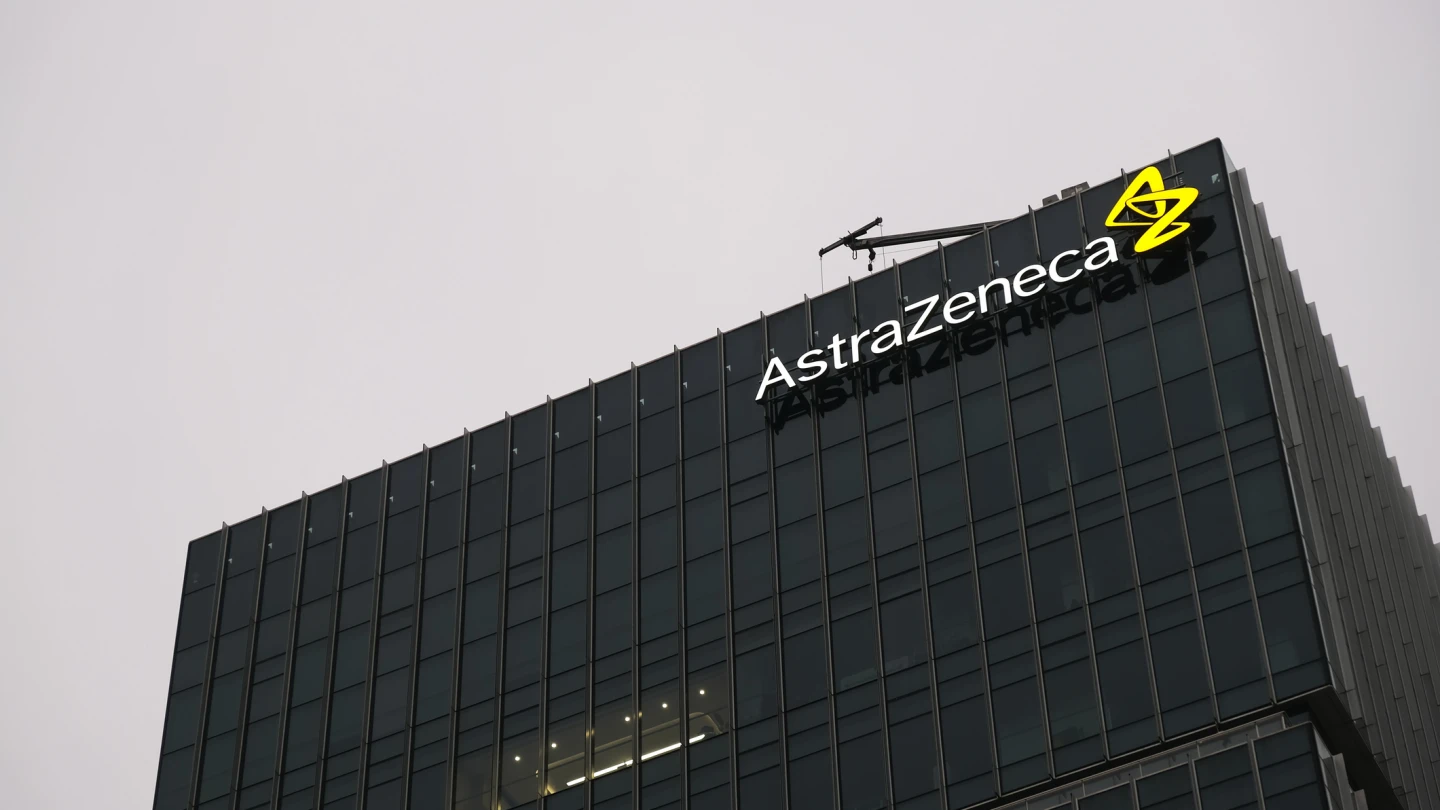
AstraZeneca has risen as one of pharma’s most prolific investors in China, including a $630 million pledge last week for full rights to AbelZeta’s cell therapy for cancer.

Cellares, which last year became the first company to receive the FDA’s new advanced manufacturing technology designation, expects to support clinical production this year and offer commercial-scale manufacturing services in 2027.

Bristol Myers Squibb, GSK and Merck are contributing drug ingredients as part of their deals with the White House but are keeping many of the terms of their agreements private.

True inspection readiness is about the integrity of a company’s entire system.

The U.S. regulator shared the roadmap for implementing the program, first proposed in August 2025, and teased changes made in response to industry feedback.

Fueled by advances in biomarkers, brain mapping, and AI, investment in neuro and CNS innovation shows no signs of slowing, even amid costly setbacks. BioSpace spoke to investors at JPM26 to get their take on recent bets in new therapies and neurotech.

After winning a surprise approval for its hereditary angioedema drug Ekterly, KalVista is confident the oral offering will capture the lion’s share of the market for on-demand use.