
Diagnostics

Strong science and early support are not enough on their own. Europe needs more capital depth, cross-border investor backing and a lighter policy framework to keep companies scaling at home, according to two venture capitalists.

Renewed pharma interest in GPCR biology and radioligand therapies is drawing attention to functional peptide screening platforms.

In one of the first demonstrations of the impact of last year’s Loper Supreme Court decision on challenges to agency authority, a judge ruled that the FDA does not have authority to regulate tests developed by clinical laboratories.

Only with the adoption of digital imaging and AI-powered analysis will next-generation precision oncology therapies reach their full potential and ensure no eligible patient is overlooked.

AstraZeneca, Pfizer and more are leveraging the computational power of AI to better design trials, predict the potential efficacy and safety profiles of their molecules and synthesize massive multi-omic information to gain a more complete understanding of challenging cancers.

Analysts at BMO Capital Markets said in a weekend note that a non-invasive blood test could help boost uptake of Alzheimer’s disease therapies.

Roche envisions its Indianapolis site as a “major hub” for the manufacturing of its continuous glucose monitoring systems. The news comes on the heels of an announced $700 million investment in North Carolina.

To more effectively treat neurodegenerative conditions, we first need diagnostic tools that lend a more complete picture of protein aggregates in the brain.

Ending the diagnostic journey for patients, particularly those with rare diseases, improves patients’ quality of life while reducing costs to healthcare systems.
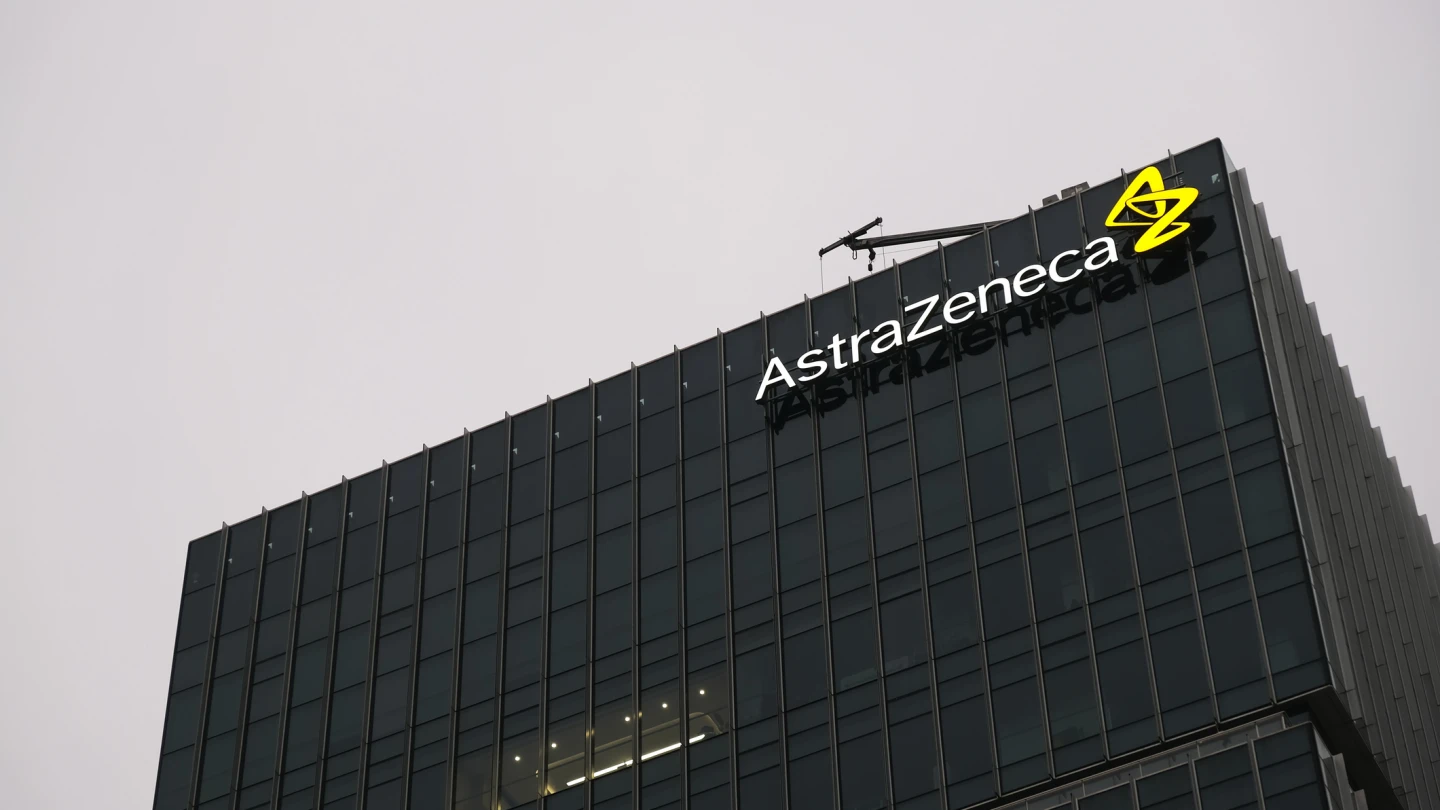
Using a computational biomarker, the companies say they can identify which patients would derive significant clinical benefit from their experimental antibody-drug conjugate. AstraZeneca and Roche are co-developing and commercializing a companion diagnostic for the biomarker.
PRESS RELEASES