
Description: Explore how CRISPR gene editing could transform poultry farming by reducing disease, feed costs, and price volatility—and whether it can truly make chicken cheaper.
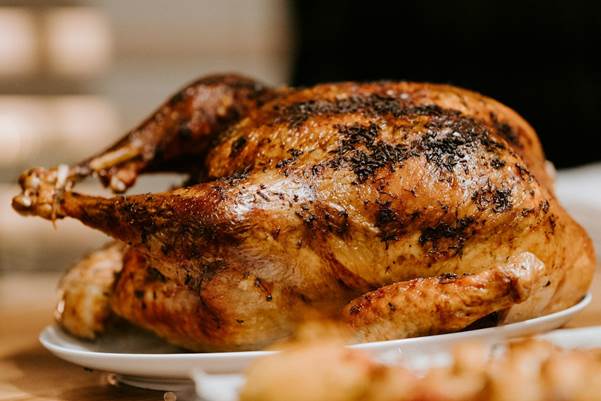
Chicken is one of the world’s most affordable and widely consumed proteins, yet its price remains surprisingly sensitive to feed costs, disease outbreaks, and supply disruptions. Consumers who regularly track daily poultry trends on platforms like chickenrate.net know how quickly rates can rise when farms face biological or logistical challenges. As global demand for chicken continues to grow, scientists and producers are exploring radical solutions—and one of the most talked-about is gene editing. Could CRISPR technology really make chicken cheaper?
This article explores how gene-edited chickens might transform poultry farming, what that means for production costs, and whether these scientific advances could eventually lead to lower prices for consumers.
What Is CRISPR and Why Does It Matter for Poultry?
CRISPR (Clustered Regularly Interspaced Short Palindromic Repeats) is a gene-editing tool that allows scientists to make precise changes to an organism’s DNA. Unlike traditional genetic modification, CRISPR can tweak existing genes without introducing foreign DNA.
In poultry farming, CRISPR offers the possibility to:
● Improve disease resistance
● Enhance feed efficiency
● Increase growth rates
● Reduce mortality
Each of these factors directly affects the cost of producing chicken meat.
The Biggest Cost Drivers in Chicken Production
To understand whether CRISPR can lower prices, we must first look at what makes chicken expensive.
Major cost components include:
● Feed (60–70%): Maize and soy prices heavily influence poultry rates.
● Disease losses: Outbreaks like avian influenza can wipe out entire flocks.
● Energy and housing: Temperature control, lighting, and biosecurity add to costs.
● Labor and transport: Skilled workers and cold-chain logistics are increasingly expensive.
If gene editing can reduce even one of these pressures, the impact on pricing could be significant.
Disease-Resistant Chickens: A Game Changer?
One of the most promising CRISPR applications is disease resistance. Scientists have already demonstrated gene-edited chickens with resistance to certain viral infections.
If widely adopted, disease-resistant birds could:
● Reduce mass culling during outbreaks
● Lower veterinary and biosecurity costs
● Stabilize supply during crisis periods
Fewer losses mean more predictable production, which helps prevent sudden price spikes.
Feed Efficiency and Faster Growth
Feed is the single largest expense in poultry farming. Even small improvements in how efficiently chickens convert feed into meat can have massive economic effects.
CRISPR could help develop chickens that:
● Grow faster on the same amount of feed
● Extract nutrients more efficiently
● Maintain health on lower-protein diets
Over time, this could reduce reliance on expensive feed inputs, especially during global grain shortages.
Shorter Production Cycles and Higher Output
Traditional broiler chickens already grow quickly, but CRISPR could further optimize growth without compromising welfare. Shorter production cycles mean:
● More batches per year
● Better use of housing infrastructure
● Lower fixed costs per bird
Higher output with the same resources generally leads to lower per-unit costs—at least at the farm level.
Will Lower Production Costs Reach Consumers?
This is the critical question. Even if CRISPR reduces farming costs, that doesn’t automatically mean cheaper chicken at the market.
Price transmission depends on:
● Market competition
● Processing and distribution costs
● Government regulations
● Consumer acceptance
In highly competitive markets, cost savings are more likely to be passed on. In concentrated markets, savings may increase producer margins instead.
Regulatory and Ethical Hurdles
Gene-edited chickens face regulatory scrutiny worldwide. Some countries treat CRISPR-edited animals like traditional GMOs, while others see them as a separate category.
Challenges include:
● Lengthy approval processes
● Labeling requirements
● Export restrictions
These factors can delay adoption and increase compliance costs, reducing the immediate price benefit.
Consumer Perception and Demand
Even if CRISPR chickens are safe and cheaper, consumer acceptance will shape their impact. Food choices are emotional, cultural, and trust-driven.
Potential consumer responses:
● Price-sensitive buyers may embrace cheaper poultry
● Health-conscious consumers may demand transparency
● Traditional markets may resist gene-edited meat
If demand is limited, producers may hesitate to scale up, slowing any price reduction.
Environmental Impact and Long-Term Savings
CRISPR could also reduce poultry’s environmental footprint. More efficient chickens require less feed, land, and water, and produce fewer emissions per kilogram of meat.
Long-term benefits include:
● Lower environmental compliance costs
● Reduced vulnerability to climate-related feed shocks
● More resilient supply chains
These indirect savings can help stabilize prices over time, even if short-term reductions are modest.
Developing Countries and Price Stability
In developing markets, where chicken is a critical protein source, price volatility hits hardest. Gene-edited chickens could:
● Improve productivity in challenging climates
● Reduce losses from endemic diseases
● Support local food security
For these regions, the biggest benefit may not be cheaper chicken, but more stable prices.
When Might CRISPR Chickens Enter the Market?
Widespread commercial adoption is still several years away. Pilot programs, regulatory approvals, and consumer education all take time.
Realistically:
● Initial adoption may focus on breeding stock
● Cost benefits will appear gradually
● Price impacts may be uneven across regions
CRISPR is not a quick fix—but a long-term structural change.
Conclusion: Can CRISPR Make Chicken Cheaper?
Gene-edited chickens have real potential to lower the cost of poultry production by improving disease resistance, feed efficiency, and overall productivity. In theory, this should make chicken cheaper and more stable in price.
In practice, the outcome depends on regulation, market structure, and consumer trust. While CRISPR alone won’t instantly slash poultry prices, it could reduce the extreme volatility that frustrates both farmers and consumers who closely follow daily rates.
So, can CRISPR make chicken cheaper? Eventually—yes. But its greatest contribution may be something even more valuable: a more resilient, predictable, and sustainable poultry supply for the future.


