
China

Kailera will launch a global Phase 2 study of ribupatide this year, while Hengrui will push the asset into Phase 3 in China.

AstraZeneca’s $15 billion pledge to its China operations highlights the country’s advantages. But other regions are also hoping to host more clinical studies.

The pact, which could see AstraZeneca ultimately put out $18.5 billion in milestones and sales-based payments, is centered on SYH2082, a long-acting dual agonist of the GLP-1 and GIP receptors.
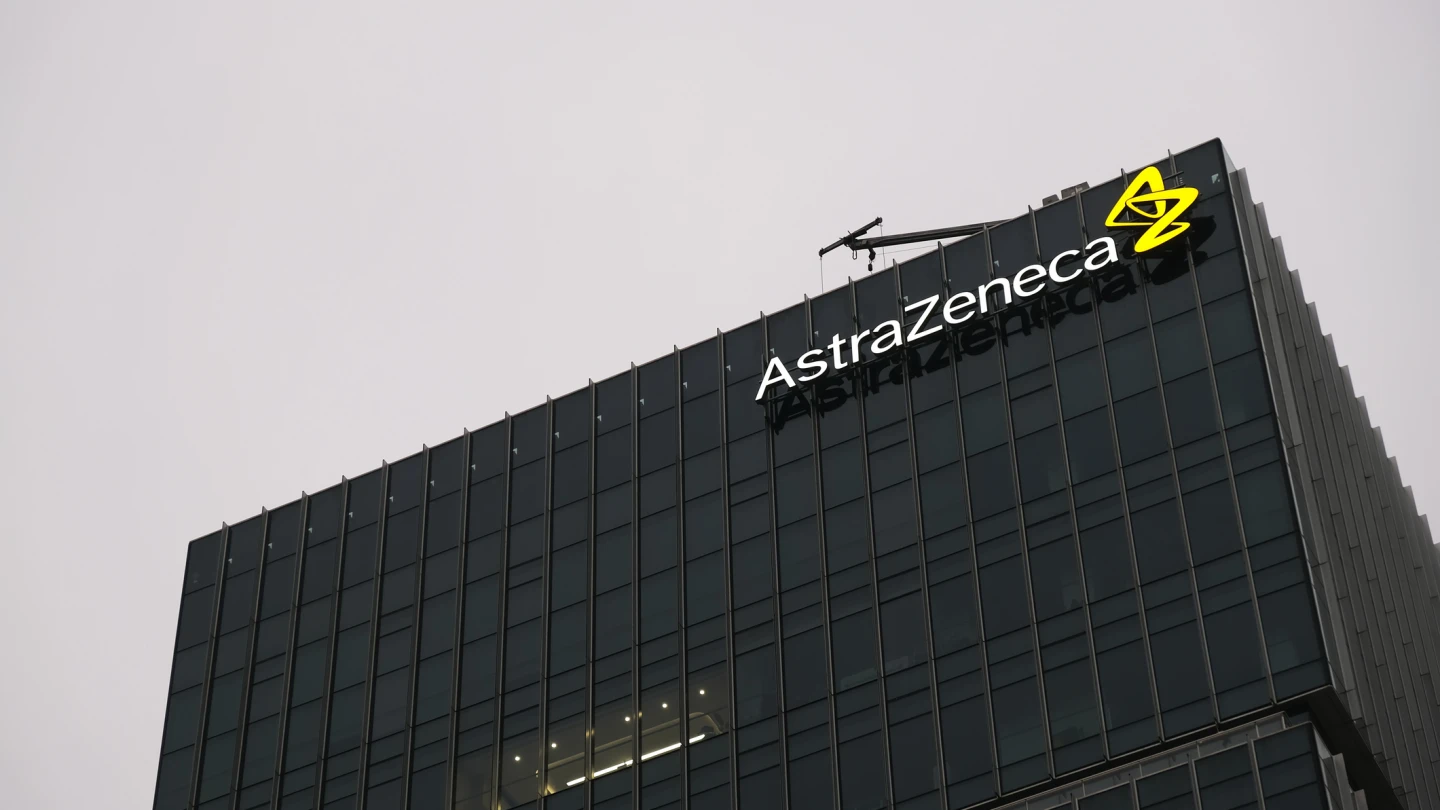
AstraZeneca has risen as one of pharma’s most prolific investors in China, including a $630 million pledge last week for full rights to AbelZeta’s cell therapy for cancer.

Phacilitate’s annual event dawns as cell and gene therapies reach a new tipping point: the science has hit new heights just as regulatory and government policies spark momentum and frustration.

With the biopharma industry performing better of late, analysts, executives and other industry watchers are “cautiously optimistic”—a term heard all over the streets of San Francisco at the J.P. Morgan Healthcare Conference earlier this month.

The past year saw manufacturing challenges pushed into the spotlight. BioSpace spoke to two executives who shared key issues facing those working in this area, from finding the right providers to dealing with regulatory uncertainty.

The deal will see Novartis gain global rights over SciNeuro’s potentially disease-modifying anti-amyloid antibody, which leverages the latter’s proprietary shuttle platform to allow delivery into the brain.

In his annual letter, Flagship Pioneering’s Noubar Afeyan lays out a choice between near-term “human-made miracles” and a reversion to the pain and suffering of past diseases due to “growing contempt” in the U.S. for the scientific method.

Roche first partnered with MediLink in January 2024, likewise for an antibody-drug conjugate for solid tumors.
PRESS RELEASES