
Drug pricing
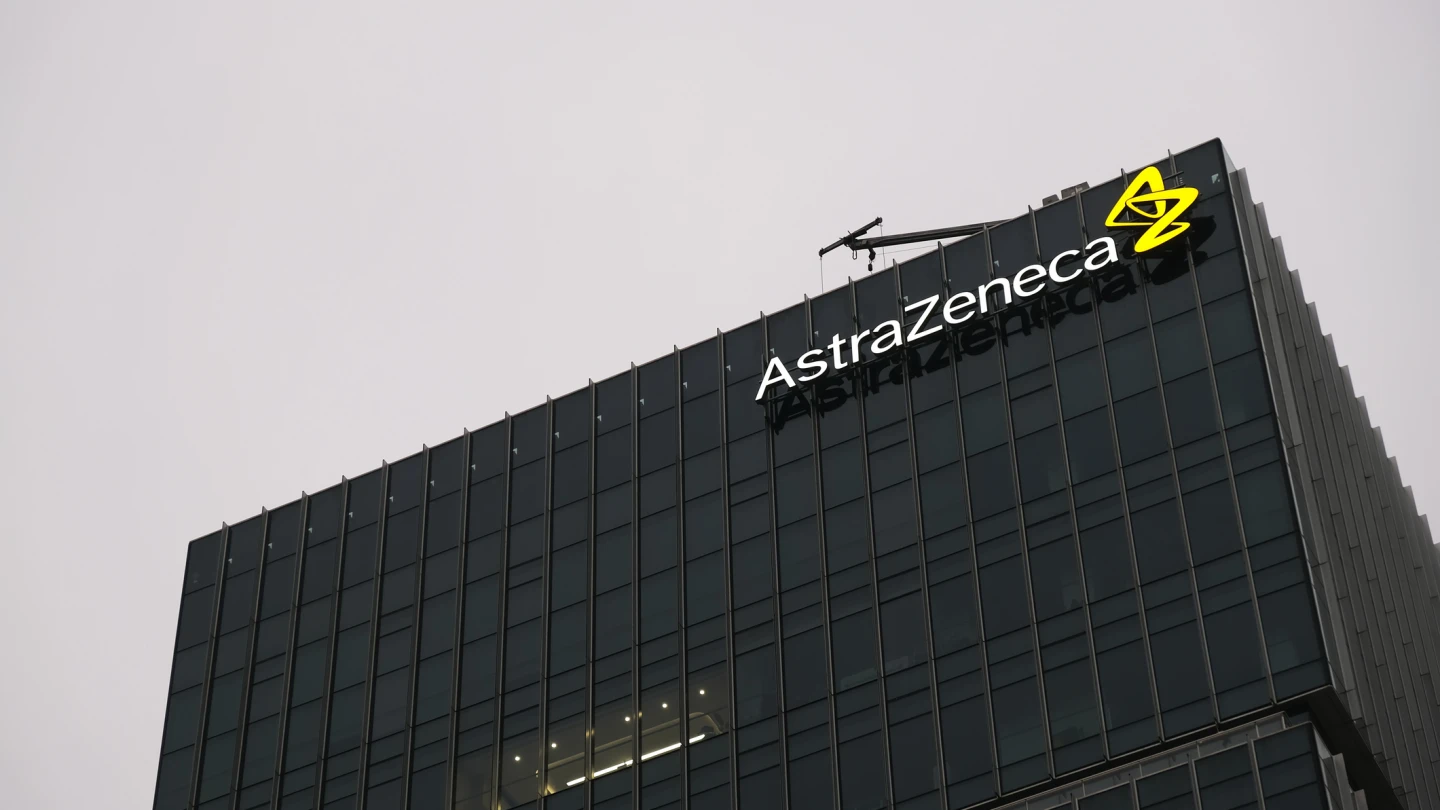
The British pharmaceutical giant has joined the direct-to-consumer push, following Pfizer and Amgen’s announcements in response to the president’s calls to lower U.S. drug prices.

GoodRx, an online platform that offers drug discount coupons to patients, is in talks with the government to participate in the forthcoming TrumpRx program.

The British proposal to increase support for pharma is “clearly positive,” according to analysts at Leerink, who noted that the NHS’ move will improve patient access to treatments.

Drug pricing criticism often fixates on a price at a single point in time but drug pricing is never static.

Amgen will offer its lipid-lowering drug Repatha directly to patients for $239 per month, representing a nearly 60% reduction from the current wholesale acquisition cost of $527.70.

A new survey from CRB showed that most manufacturing initiatives in the U.S. made in response to tariffs are coming from Big Pharma companies, while smaller biotechs are left to hope “the situation doesn’t get worse.”

Expanded exemptions for orphan drugs could mean prolonged protections for top-selling drugs like Merck’s Keytruda, which was initially approved under this designation in 2014.

President Donald Trump last week announced that 100% pharma tariffs would come Oct. 1, but a White House official has clarified that that’s when the government will “begin preparing” the levies.

At the heart of the agreement is Pfizer’s $70 billion commitment to U.S.-based manufacturing and an exemption from tariffs for three years. While the reaction was mostly positive from Wall Street, other observers noted that the benefits for patients are unclear at best.

Pfizer CEO Albert Bourla directly credited the threat of tariffs with leading to the deal, in which the company will offer drugs on a soon-to-be-launched website called TrumpRx.
PRESS RELEASES