
ALS

Biogen’s Qalsody won FDA approval in 2023 to treat a rare, genetic form of amyotrophic lateral sclerosis. On Tuesday, QurAlis presented interim Phase 2 data showing the potential of a similar drug to more broadly treat the neurodegenerative disease.

Corcept Therapeutics’ amyotrophic lateral sclerosis drug was linked to an 87% reduction in the risk of death, a result the biotech hopes to replicate in an upcoming Phase 3 trial.

Trace Neuroscience, a member of BioSpace’s NextGen Class of 2026, has learned from the success of Biogen’s Qalsody and aims to bring more treatment options to the ALS community.

As Congress debates renewing the Act for ALS, it must prepare for the coming era of precision ALS medicine by prioritizing early-stage research to more quickly bring effective treatments to the market.

In this episode of Denatured, you’ll be listening to Indu Navar, CEO and founder of EverythingALS and Dr. Olga Uspenskaya, chief medical officer at VectorY Therapeutics. We’ll be speaking about patient-pharma collaborations accelerating trials and hope, advances in ALS biology understanding and biomarker-driven endpoints.

The U.S. Congress greenlit a historic $315 million in federal ALS research funding for 2026 amid Rare Disease Month, spotlighting biotech progress like VectorY Therapeutics’ first patient dosing in its TDP-43-targeting PIONEER-ALS trial and EverythingALS’ pharma consortia driving biomarker innovations and trial alignment.

In January, AbbVie and Calico’s fosigotifator failed to show significant signs of efficacy in the HEALEY ALS platform trial for amyotrophic lateral sclerosis.
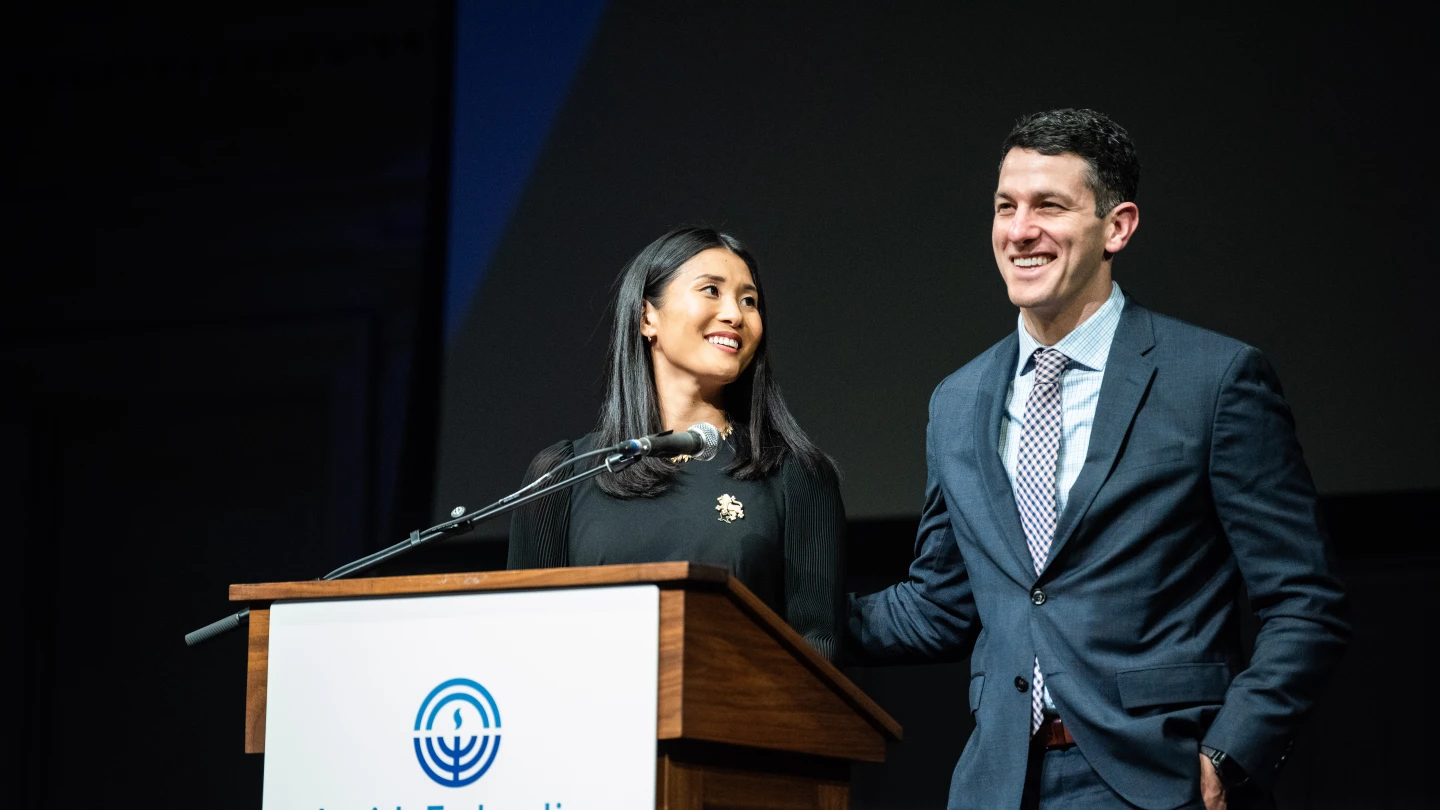
The BioSpace 40 Under 40 winner opens up about his very personal career transformation from wealth management to biotech—and what it’s like to develop a drug for amyotrophic lateral sclerosis and frontotemporal dementia as a potential patient himself.

Bristol Myers Squibb and insitro first partnered in 2020 to develop induced pluripotent stem cell models of amyotrophic lateral sclerosis and frontotemporal dementia. Last December, BMS exercised its option for an ALS target.

The hold was placed earlier this year when the FDA asked for more preclinical data, but the agency was slow to respond due to ‘strain’ on its capacity, according to Neurizon.
PRESS RELEASES