
Research institute

Arena launched with $500 million in early 2024 to fund basic biological research, from which it planned to spin out dedicated companies to focus on drug development.
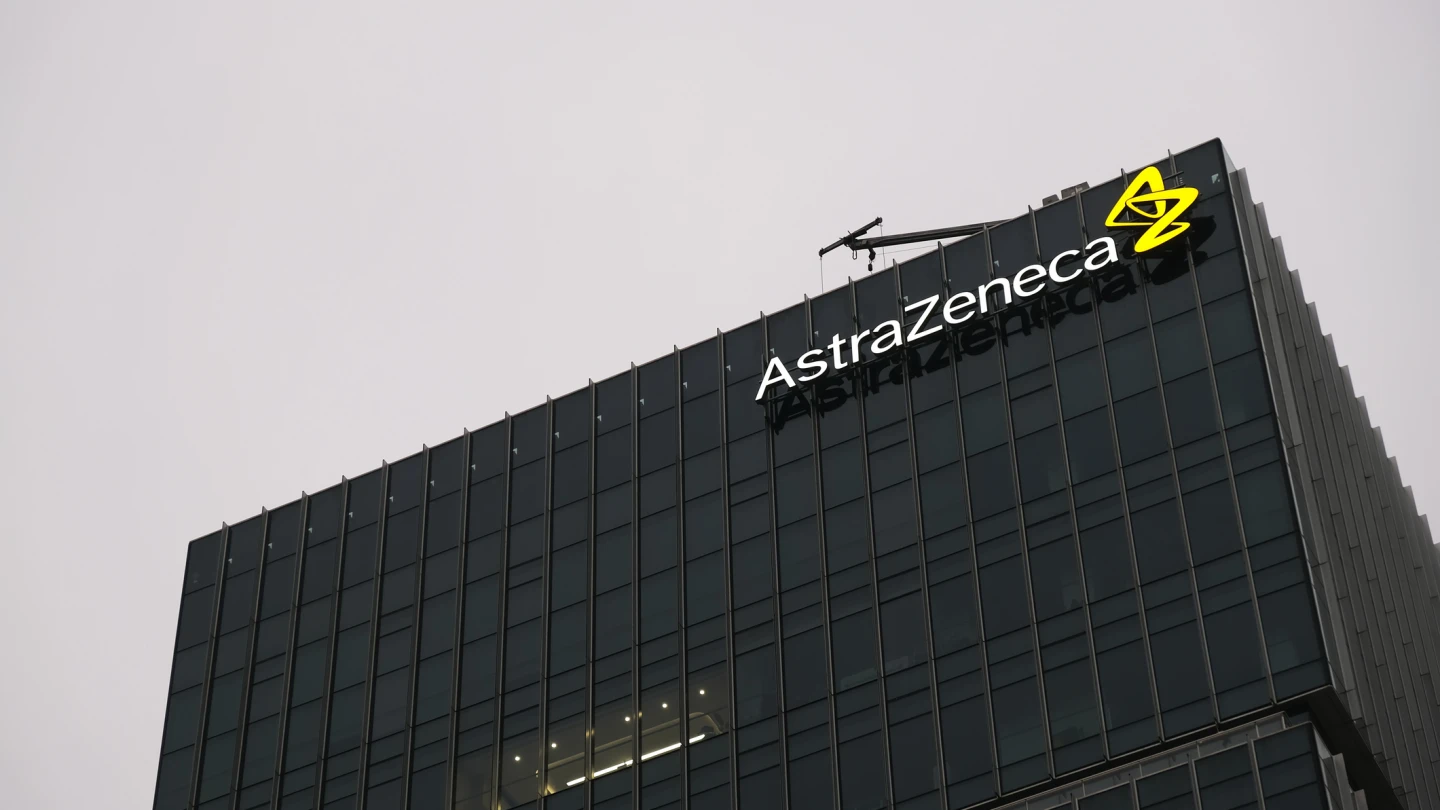
The investments come amid an ongoing insurance fraud probe into AstraZeneca’s former China head Leon Wang—and despite mounting pressure from President Trump for pharma companies to re-shore their manufacturing operations.

The Empire State is seeing large infusions of funds from the state and the Chan Zuckerberg Initiative to develop therapies for cancer and other applications.

The legal complaint, filed with the Scripps Research Institute, alleges that Dexcel Pharma Technologies’ plan to sell a generic version of Pfizer’s Vyndamax (tafamidis) infringes on three patents.

Two children with relapsed T cell acute lymphoblastic leukemia were cleared of cancer while a third died from fungal infection, according to research published Wednesday in The New England Journal of Medicine.

In addition to promoting their brands, companies say their funding initiatives give them access to the expertise of top researchers and contribute to society.

U.S. recession will inevitably make many biopharma companies change course. However, it could cause some biotechs to change for the better.

New research out of McMaster University found a recently abandoned Bayer compound halted the growth of an aggressive form of pediatric medulloblastoma in mouse models.

Several biotech companies backed by billions are working on different approaches to developing the next big anti-aging therapy - from blood experiments to cell reprogramming.

Neuronal Inflammation was found in two U.S. monkeypox patients, researchers short-list four drugs for potential study in autism and a new test can predict immunotherapy outcomes.
PRESS RELEASES