
FDA

Even as FDA approvals for biologic therapies fell in the first half of 2026, regulatory experts are optimistic about a turnaround in the rare disease space after the departure of key leaders at the agency. Still, there will continue to be tension between science and politics.

FEATURED STORIES

A recent FDA reversal sparked new hope for patients with Huntington’s disease. Flying under the radar, Skyhawk Therapeutics revealed 12-month functional data from a midstage trial of its own candidate showing improvements on a key disease measurement scale.

The FDA plans to hold an advisory committee meeting to discuss Capricor Therapeutics’ application for deramiocel, which the agency rejected last July. The news surprised CEO Linda Marbán, who told BioSpace the FDA has not communicated any issues of concern with the company’s resubmitted application.

When the variance can’t be modeled, even disciplined biotech investors stop deploying. Here’s the cheapest fix for biotech’s investability problem.
Subscribe to ClinicaSpace
Clinical trial results, research news, the latest in cancer and cell and gene therapy, in your inbox every Monday
THE LATEST

Please check out the biopharma industry coronavirus (COVID-19) stories that are trending for April 30, 2020.

Zejula, GlaxoSmithKline’s once-daily PARP inhibitor, won regulatory approval as a monotherapy maintenance treatment for women with advanced ovarian cancer whose disease is responsive to first-line platinum-based chemotherapy, regardless of biomarker status.
The U.S. Food and Drug Administration approved an additional recommended dosage of 400 mg every six weeks for the anti-PD-1 therapy across all adult indications, including as a monotherapy and in combination treatments.

Neurocrine Biosciences announced on Monday that it has received approval from the U.S. Food and Drug Administration for its once-daily oral drug, Ongentys, as an add-on treatment to levodopa/carbidopa for the treatment of Parkinson’s disease.

Please check out the biopharma industry coronavirus (COVID-19) stories that are trending for April 28, 2020.

Please check out the biopharma industry coronavirus (COVID-19) stories that are trending for April 27, 2020.

David Loew, head of Sanofi Pasteur, said U.S. approval of the vaccine is an important milestone in the fight against meningococcal meningitis, a serious global health challenge that can be fatal within 24 hours.

Please check out the biopharma industry coronavirus (COVID-19) stories that are trending for April 24, 2020.

Please check out the biopharma industry coronavirus (COVID-19) stories that are trending for April 23, 2020.
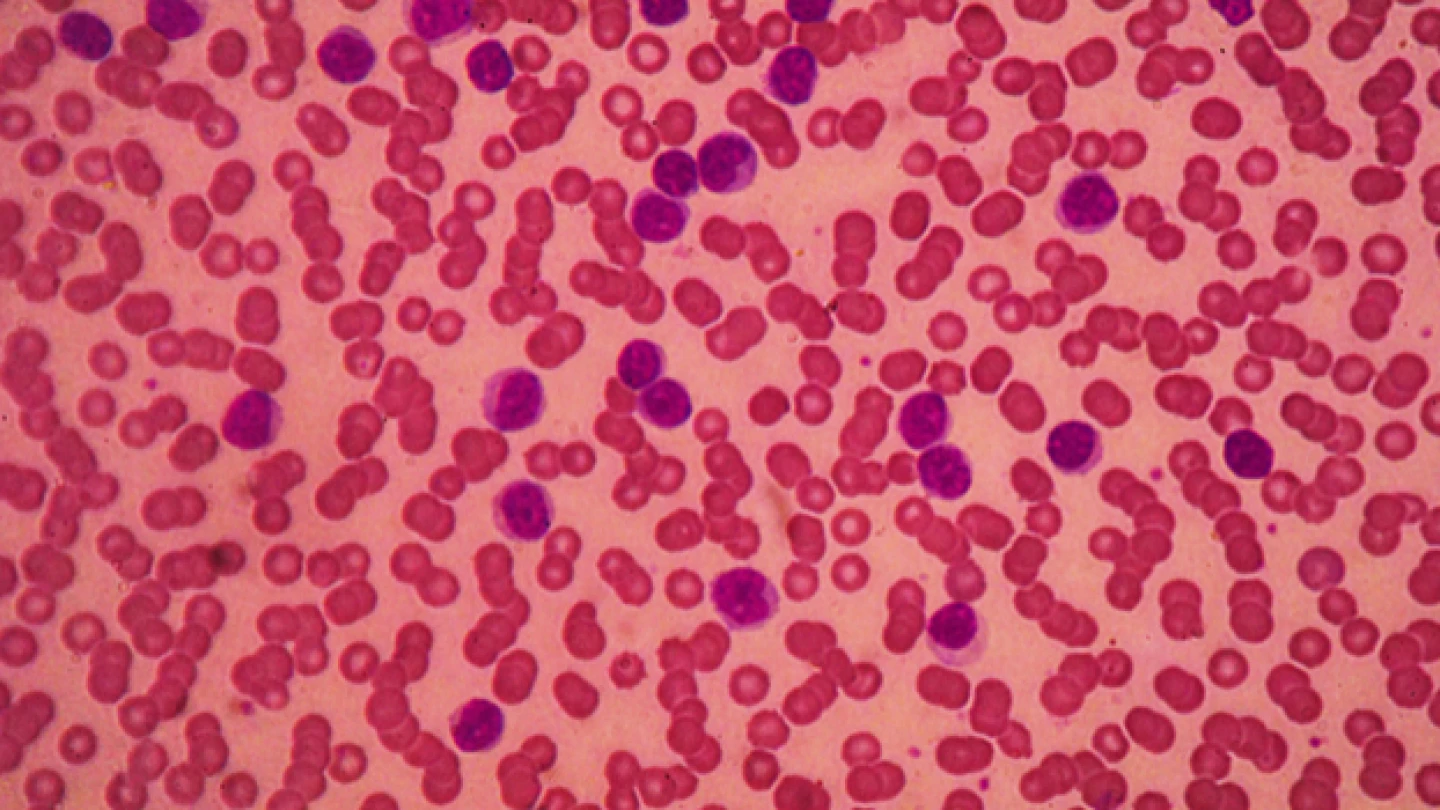
The FDA recently approved the combination of Imbruvica-Rituximab for treating chronic lymphocytic leukemia. Here’s everything you need to know.