
Tariffs

After suffering in the wake of expired tax incentives for pharmas, the island is trying to take advantage of geopolitics to grow its drug manufacturing sector.

After years of contraction, investors see biotech reentering a growth cycle driven by scientific progress, asset quality and renewed conviction in oncology, obesity and neuroscience innovation.

Reporting Q4 and full year earnings on Wednesday, J&J executives hailed growth across the healthcare giant’s portfolio while standing fast on its talc lawsuit and tariffs.

AbbVie has also pledged to participate in TrumpRx and offer many of its products, including Humira, on a direct-to-patient basis. In exchange, the pharma secured exemptions from tariffs and other future pricing directives.

Early decisions about manufacturing and supply chains could prove costly as a company reaches the commercial stage.

While the threat of tariffs dies down for the pharma industry, President Donald Trump is reportedly weighing a new investigation that could result in import taxes against U.S. trading partners that don’t pay enough for drugs.

Johnson & Johnson has yet to make a drug pricing deal with Trump; Novo makes more moves under new CEO; more than 1,000 laid off from CDC, though many immediately hired back; the BIOSECURE Act is back and more.

J&J reports today, just two weeks after Pfizer secured certainty on tariffs and drug pricing. Analysts expect to hear about plans from the rest of the industry during third period earnings calls.
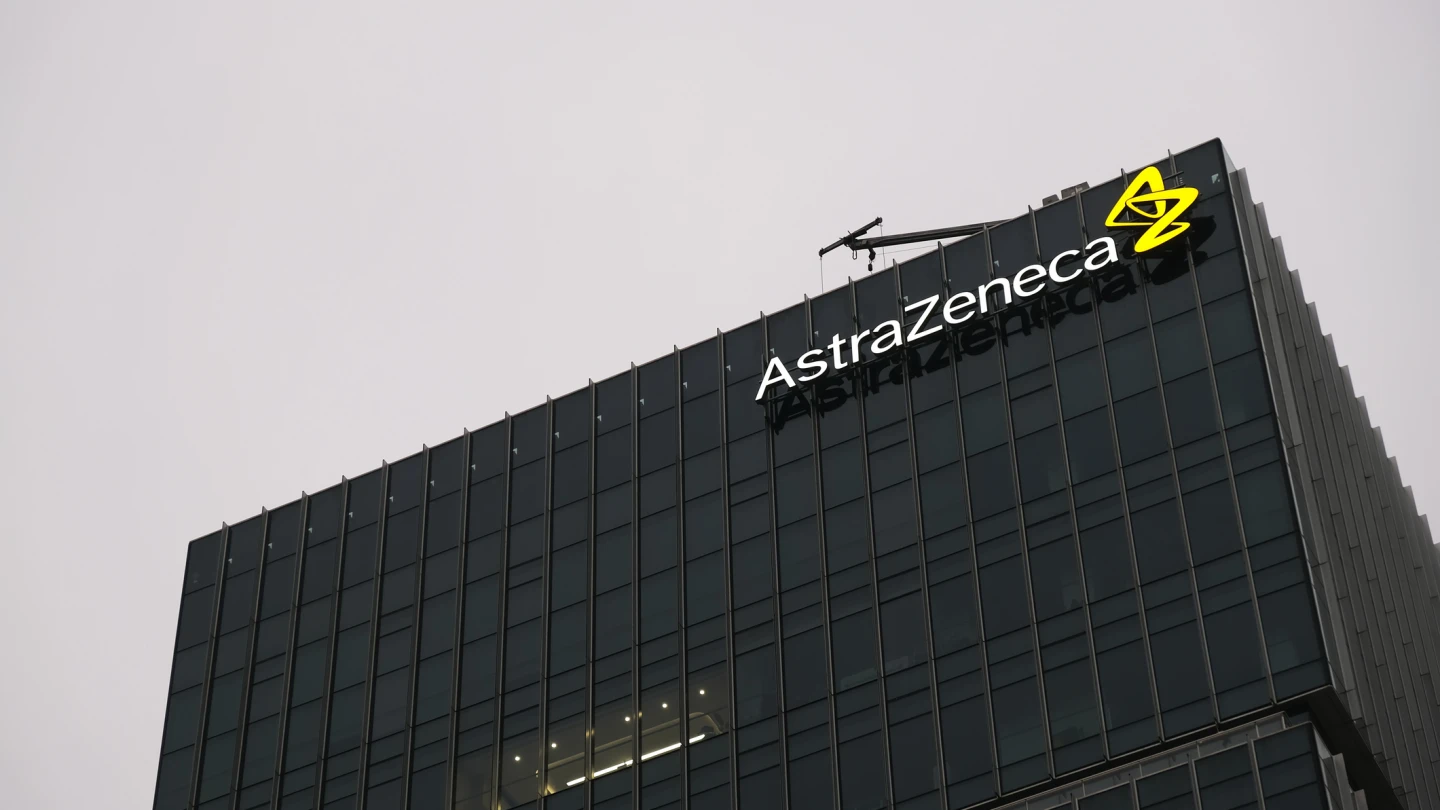
The British pharmaceutical giant has joined the direct-to-consumer push, following Pfizer and Amgen’s announcements in response to the president’s calls to lower U.S. drug prices.

The British proposal to increase support for pharma is “clearly positive,” according to analysts at Leerink, who noted that the NHS’ move will improve patient access to treatments.