
Tariffs
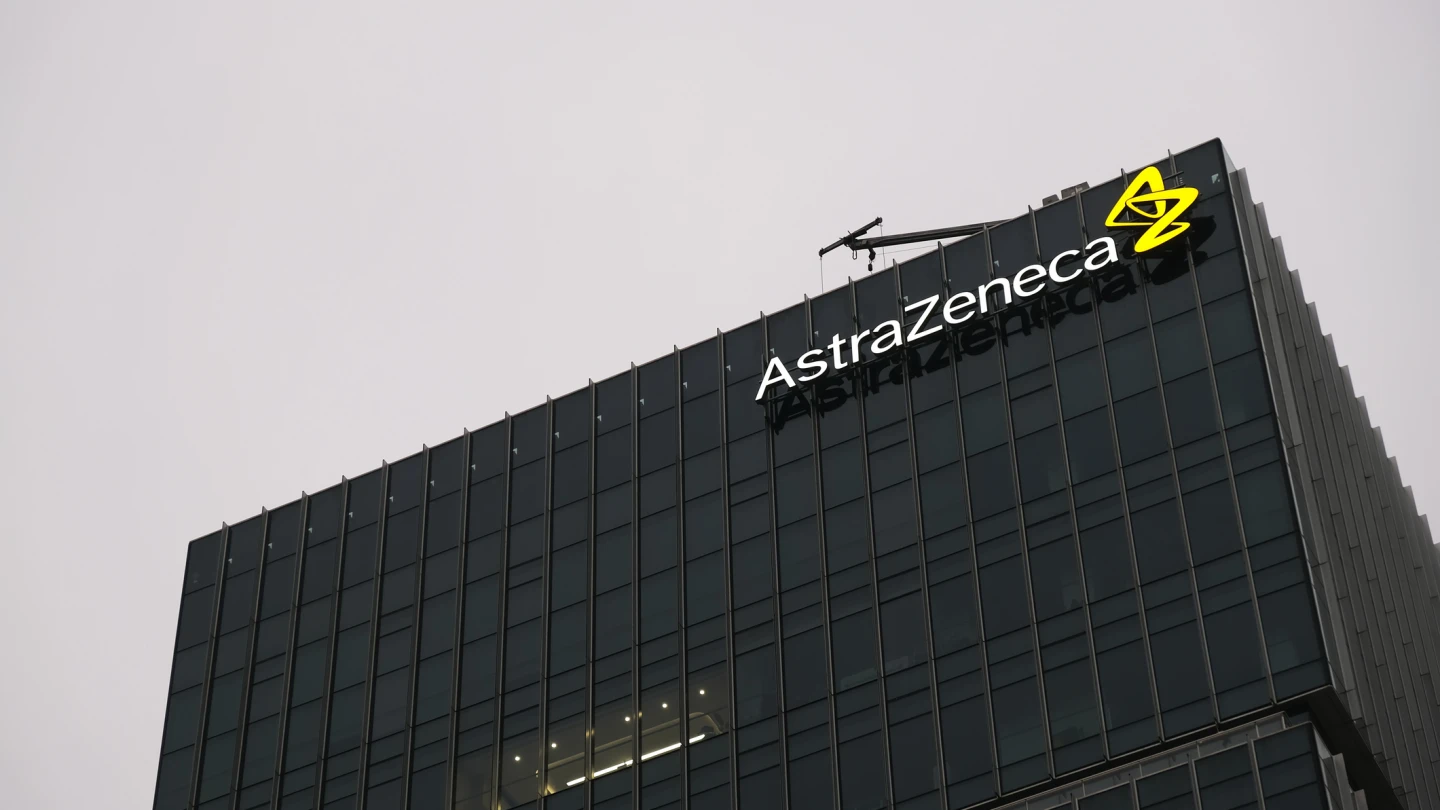
The British pharmaceutical giant has joined the direct-to-consumer push, following Pfizer and Amgen’s announcements in response to the president’s calls to lower U.S. drug prices.

The British proposal to increase support for pharma is “clearly positive,” according to analysts at Leerink, who noted that the NHS’ move will improve patient access to treatments.

The U.S. government remains shut down, with the FDA closed for new drug applications until further notice; cell and gene therapy leaders gather for the annual meeting in Phoenix with the field in a state of flux; Pfizer and Amgen will make drugs available at a discount as President Donald Trump’s tariffs still loom; and new regulatory documents show how Pfizer beat out the competition for Metsera.

A new survey from CRB showed that most manufacturing initiatives in the U.S. made in response to tariffs are coming from Big Pharma companies, while smaller biotechs are left to hope “the situation doesn’t get worse.”

President Donald Trump last week announced that 100% pharma tariffs would come Oct. 1, but a White House official has clarified that that’s when the government will “begin preparing” the levies.

At the heart of the agreement is Pfizer’s $70 billion commitment to U.S.-based manufacturing and an exemption from tariffs for three years. While the reaction was mostly positive from Wall Street, other observers noted that the benefits for patients are unclear at best.
M&A headlined for a second straight week as Genmab acquired Merus for $8 billion; Pfizer strikes most-favored-nation deal with White House; CDER Director George Tidmarsh caused a stir with a now-deleted LinkedIn post; GSK CEO Emma Walmsley will step down from her role; and uniQure’s gene therapy offers new hope for patients with Huntington’s disease.

Pfizer CEO Albert Bourla directly credited the threat of tariffs with leading to the deal, in which the company will offer drugs on a soon-to-be-launched website called TrumpRx.
Companies that have broken ground on or are actively constructing manufacturing facilities in the U.S. are exempted from the tariffs, according to President Donald Trump’s social media post on Thursday.

In an interview with German-language outlet Neue Zuercher Zeitung, Novartis CEO Vas Narasimhan said the company is exploring ways to remove or minimize the drug price gap between the U.S. and its other markets in similarly developed countries.
PRESS RELEASES